






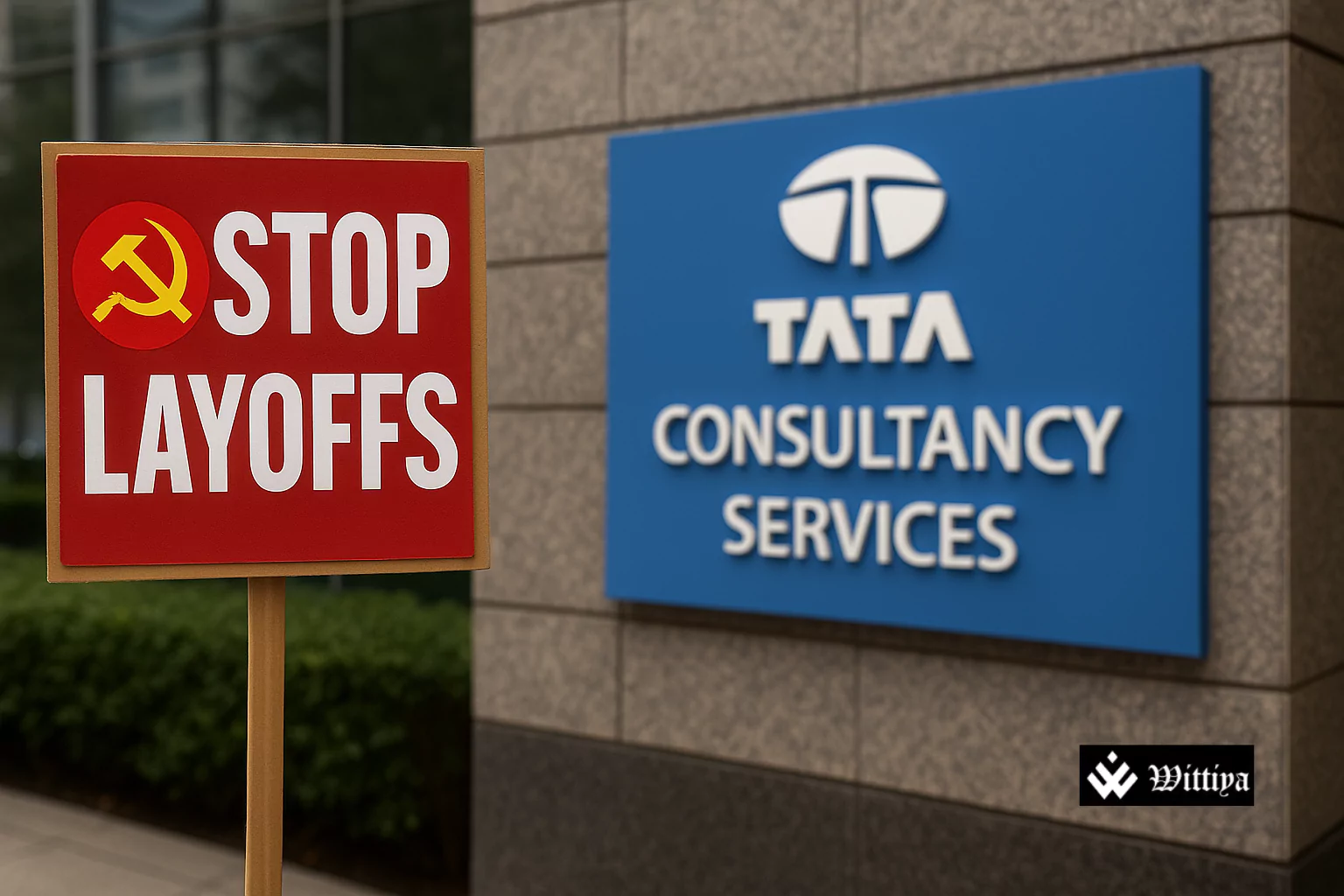
India’s top IT services company, Tata Consultancy Services (TCS), is implementing salary hikes for 80% of its staff starting September 1, 2025, even as it proceeds with plans to lay off around 12,000 mid- and senior-level employees. The move highlights a strategic shift in workforce management amid economic uncertainty and rapid digital transformation.
Tata Consultancy Services (TCS) has announced salary hikes for nearly 80% of its workforce, primarily covering junior and mid-level employees. The raise will be effective from September 1, 2025, and includes grades up to C3A and their equivalents.
In a communication shared internally, the company expressed appreciation for employees’ commitment and emphasized the importance of building the future of TCS together. The exact percentage of the hike has not been disclosed.
Simultaneously, TCS will proceed with a planned reduction in headcount, which is expected to affect around 12,000 employees—approximately 2% of its global workforce. Most of these reductions will involve mid and senior roles. The company states that the move is aimed at aligning with long-term growth areas, particularly emerging technologies and AI-driven service delivery models.
Also Read: Fighting Back: How IT Employees Are Standing Up to Big Tech
TCS has outlined its broader strategy to become a “future-ready organisation,” emphasizing expansion into new markets, large-scale AI adoption, and team realignment to match evolving global client needs. While salary hikes can help retain key talent and boost morale, the ongoing layoffs highlight the need for operational agility in a changing economic landscape.
Industry observers note that Indian IT firms, including TCS, are facing muted demand due to delayed tech investments and global economic uncertainties. With geopolitical factors such as US policy shifts and slower enterprise IT spending in major markets, companies are recalibrating their resource deployment.
During the April–June quarter of FY26, TCS and other leading Indian IT players reported modest revenue growth. These conditions have prompted a shift in priorities—from maintaining headcount scale to building a lean, skilled, and technology-oriented workforce.
As TCS makes these strategic changes, the larger IT ecosystem in India will be watching closely. Balancing talent retention with transformation remains a critical challenge as the sector prepares for its next phase of growth, driven by AI, automation, and evolving client expectations.
READ MORE ON