






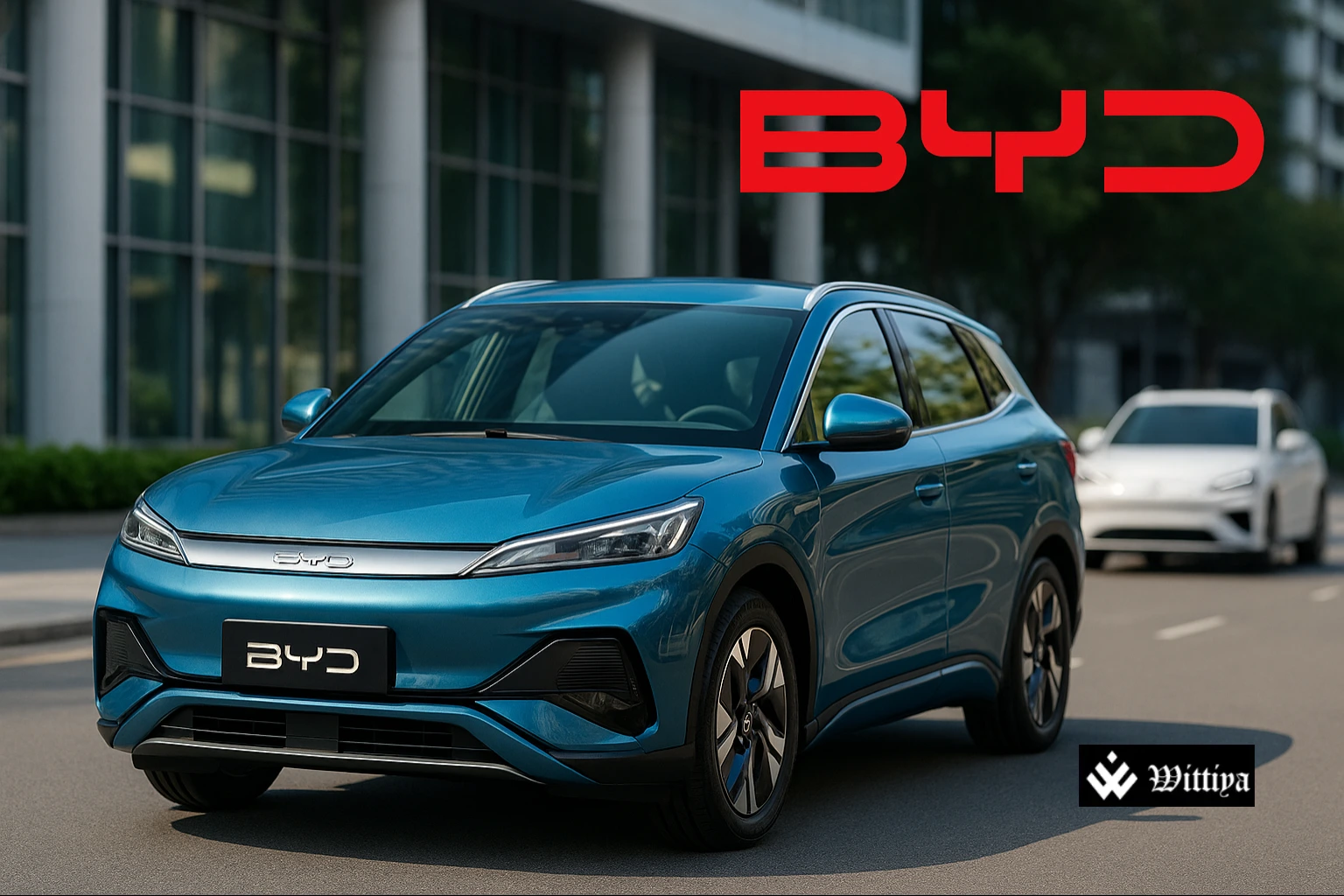
In the first half of 2025, BYD emerged as Singapore’s top-selling car brand, capturing nearly one-fifth of the new car market and signaling the growing dominance of electric vehicles in the region.
In a significant development for the automotive sector, BYD, a leading electric vehicle manufacturer, recorded the highest number of new car registrations in Singapore during the first half of 2025. The company registered 4,667 units, representing an 80.4% increase compared to the same period in 2024.
With this performance, BYD secured a 19.5% market share, up from 13.9% in H1 2024, making it the top-performing car brand in Singapore by registration volume.
Electric Momentum: EVs Take the Lead in Urban Mobility
The data, released by the Land Transport Authority, reflects growing confidence in EVs amid Singapore’s broader push for decarbonization. New passenger vehicle registrations surged to 23,957 units, a 29% increase year-on-year, signaling both recovery and transformation in consumer behavior.
BYD’s surge aligns with Singapore’s EV incentives and infrastructure readiness, including an expanding network of public charging points. This ecosystem has accelerated adoption and positioned BYD as a major beneficiary of the national transition.
Also Read: VinFast Joins Tesla in India’s EV Market with Surat Launch
BYD’s Strategy Delivers Competitive Advantage
Analysts attribute BYD’s growth to a combination of targeted market entry, efficient supply chain management, and customer-centric product design. The brand’s focus on affordability and technology has resonated with a broad base of Singaporean buyers.
The increase in market share suggests that BYD is capitalizing on both private consumer demand and fleet buyers transitioning to sustainable vehicle options.
Shifting Industry Landscape: Traditional Brands Under Pressure
While total registrations rose across the board, legacy brands reported slower growth compared to BYD. This dynamic points to a shift in brand perception and vehicle selection criteria. The market is increasingly favoring energy efficiency, tech innovation, and cost-effectiveness over traditional legacy value.
Such performance trends are likely to influence automotive strategies for other manufacturers evaluating their EV rollout timelines in Southeast Asia.
Also Read: Bumpy Road for Tesla in India
Southeast Asia’s Auto Future: Singapore as a Model Market
Singapore’s performance in H1 2025 is being viewed as a bellwether for regional EV readiness. With consumers and regulators aligned in prioritizing electrification, manufacturers like BYD are positioned to expand their market footprint even further.
If current momentum continues, Singapore could emerge as a testing ground for new EV technologies, product variants, and financing models that balance sustainability with profitability.
READ MORE ON