






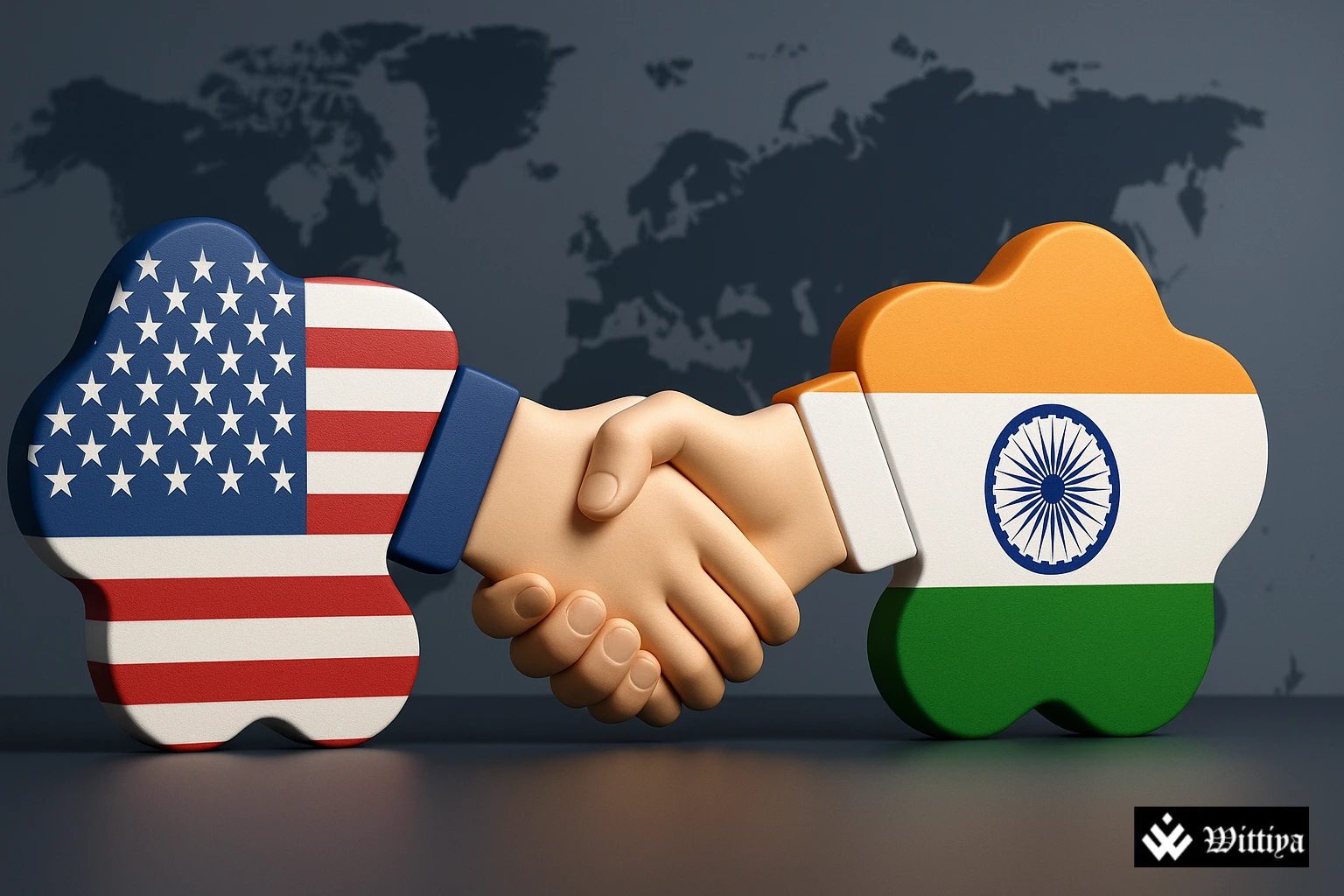
The United States is set to send a delegation to India in August to advance talks on a proposed bilateral trade agreement. The focus will be on resolving longstanding issues in agriculture, automobiles, and non-market economy practices. Both nations aim to conclude an interim trade deal before the expiry of suspended tariffs.
The upcoming visit of a United States trade delegation to India in August marks a critical moment in ongoing bilateral trade negotiations. Both countries are striving to finalize an interim trade agreement ahead of the looming August 1 tariff deadline, which could reinstate suspended duties originally imposed during earlier trade tensions.
According to officials familiar with the matter, the US team will arrive in the second half of August to engage with Indian negotiators on a range of unresolved issues. Among the key topics under discussion are agriculture market access, automotive sector trade policies, and practices associated with non-market economies.
This next round follows recent deliberations held in Washington, where both sides reaffirmed their commitment to a rules-based, transparent, and mutually beneficial trade framework. India’s negotiating team is expected to press for favorable access to US markets for its agricultural exports, while the US is anticipated to raise concerns about tariff and regulatory barriers impacting its automobile exports and digital services.
Deeper Trade & Policy Insights
Trade experts suggest that any interim deal could pave the way for a more comprehensive India–US trade agreement, especially as both economies seek diversification in global supply chains and alignment in critical sectors. A successful deal would also reinforce India’s position as a strategic partner for the US in the Indo-Pacific region.
Moreover, the timing of the talks aligns with the broader global trend of recalibrating trade partnerships to reduce dependency on single markets and strengthen geopolitical cooperation. The renewal of these trade dialogues comes as India continues to position itself as a major global manufacturing and digital economy hub, supported by policy reforms and digital infrastructure.
READ MORE ON