





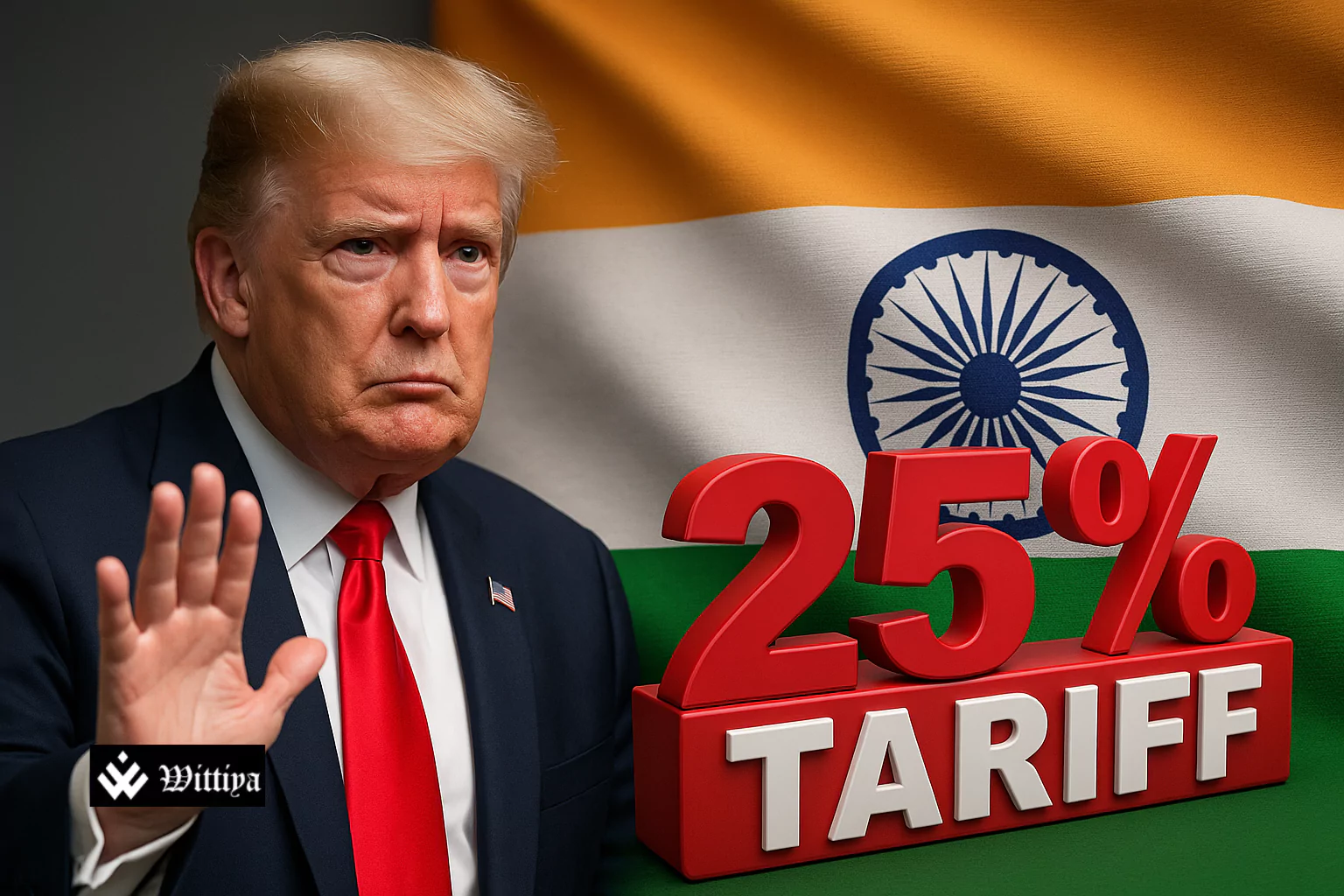
The United States is considering imposing tariffs of 20% to 25% on Indian goods as part of broader reciprocal trade measures. This follows President Trump’s remarks criticizing India’s high import duties ahead of the August 1 deadline for implementing new tariffs. Despite extended negotiations, a final deal remains elusive, raising concerns over potential disruption in bilateral trade.
The United States is signaling a significant escalation in its trade stance with India, as President Donald Trump indicated that tariffs ranging between 20% and 25% could be levied on Indian imports. This development comes as the August 1 deadline approaches for a wave of reciprocal tariffs set to impact dozens of US trading partners.
India has been a good friend, but India has charged basically more tariffs than almost any other country. You just can’t do that.”
President Donald Trump
The comment reflects the US administration’s growing frustration over the perceived imbalance in trade duties between the two nations.
The current round of tariffs was initially announced in April, but rates were held at 10% to allow more time for negotiation. However, with little progress reported, the possibility of significantly higher duties looms. This has raised concerns within the Indian export community, which may face increased costs and reduced competitiveness in the US market.
According to trade officials, the new tariffs are part of broader measures intended to push countries to reduce trade barriers against American goods. The US is seeking greater market access in sectors such as agriculture, automobiles, and digital services, where Indian policies have historically imposed higher import duties and regulatory constraints.
Also Read: Bilateral Trade Deals May Reshape India’s Economic Outlook
A US Trade Representative has signaled that while negotiations with India are ongoing, more time is needed to assess New Delhi’s willingness to open its markets. Meanwhile, Indian authorities are reportedly preparing for the possibility of increased tariffs and exploring contingency plans to minimize economic disruption.
India and the US have shared a robust trade relationship, with bilateral trade reaching over USD 191 billion in recent years. However, recurring disputes over tariffs, data localization, and agricultural access have strained ties. This latest escalation could further challenge efforts to build a balanced, mutually beneficial trade framework.
As the August 1 deadline draws closer, stakeholders in both countries are watching closely for any policy shifts or breakthroughs that could avert a full-scale tariff escalation. Until then, the uncertainty continues to cloud the future of one of the world’s most significant bilateral trade relationships.
READ MORE ON