






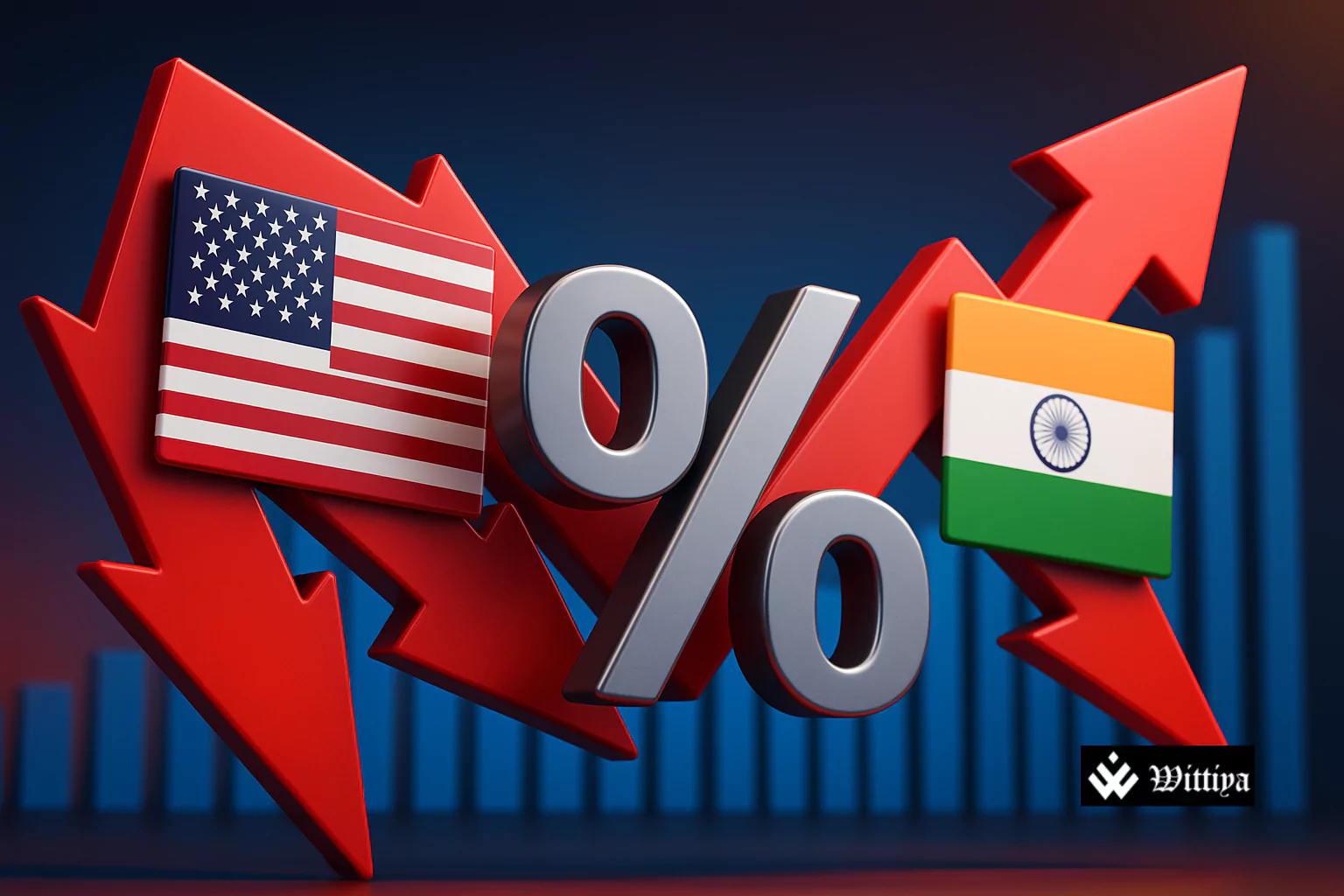
The United States has postponed its trade delegation’s visit to India, originally scheduled for August 25–29, amid rising tariff tensions. Talks on a bilateral trade agreement are expected to be rescheduled, with agriculture and dairy market access remaining contentious issues.
Amid rising trade tensions, the United States has called off its planned visit to India for the next round of bilateral trade negotiations that was scheduled between August 25 and 29. Sources indicate the talks will likely be rescheduled, but the timing is uncertain as both nations grapple with heightened tariff measures.
This round of negotiations would have marked the sixth in a series of talks aimed at shaping a comprehensive trade agreement between India and the United States. The cancellation comes at a sensitive time, with the United States announcing an additional 25% tariff on Indian goods linked to Russian oil imports, adding to earlier duties of the same magnitude. The extra tariff is set to take effect on August 27, which made these talks strategically important.
Also Read: US Tariff Threats Put EU-India Trade Deal on the Clock
One of the key sticking points in the trade discussions has been the United States’ demand for wider market access in India’s agriculture and dairy sectors. India, however, has maintained that such a move could severely affect the livelihoods of small and marginal farmers and is also influenced by cultural and religious sensitivities regarding milk imports. Prime Minister Narendra Modi, in his recent Independence Day address, emphasized strong support for farmers, fishermen, and livestock rearers, underscoring that India will not compromise on policies that could harm its rural economy.
The delay in talks also intersects with broader geopolitical developments. Markets had anticipated that discussions between global powers on the Ukraine conflict might ease the tariff burden on India, but uncertainties remain. While the United States has left open the possibility of easing or escalating tariffs depending on global oil dynamics, businesses in both countries now face prolonged uncertainty in trade flows, especially in agriculture, dairy, and energy-linked sectors.
Also Read: Markets Rattle: Indian Stocks Crash Under Trump’s New Tariff
Analysts suggest that the pause could push back the timeline for finalizing the trade agreement, initially targeted for the September–October period. For India, this delay increases the urgency of strengthening domestic resilience through its “swadeshi” push, while for the United States, the leverage of tariffs appears aimed at accelerating concessions. The financial implications of delayed negotiations could include disruptions in supply chains, higher costs for importers, and slower progress toward a balanced trade framework.
READ MORE ON