


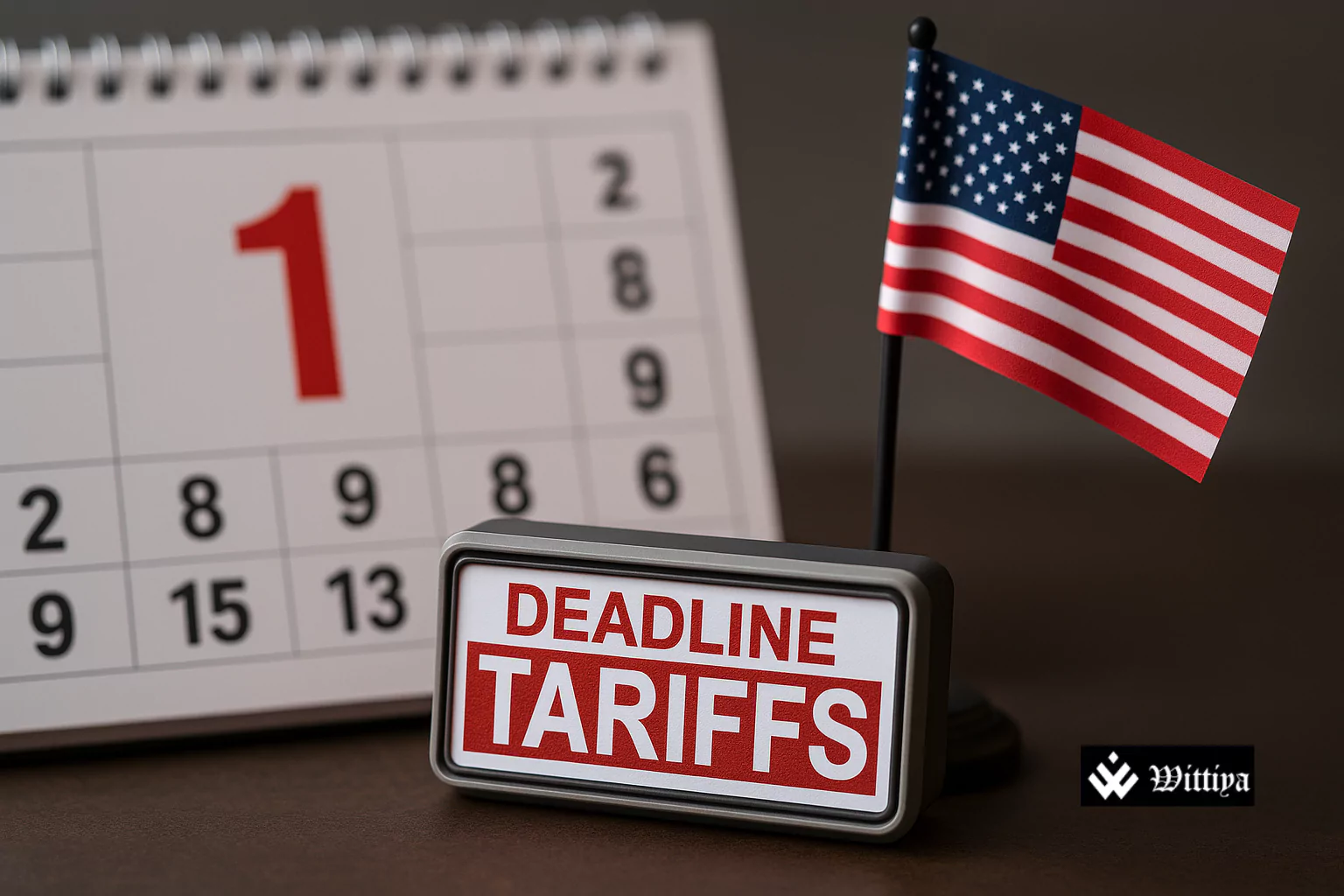
The United States has confirmed the August 1 tariff deadline as final, marking a significant shift in its global trade policy. No extensions will be granted, and tariffs will be implemented and collected from that date. While several countries have secured last-minute deals, the U.S. maintains its firm stance to overhaul trade relationships viewed as imbalanced.
The United States government has formally reaffirmed its commitment to impose tariffs on its trading partners starting August 1, 2025, with no extensions or grace periods planned. According to statements made by the U.S. Commerce Secretary, the tariff policy is moving forward as scheduled and will be enforced at ports of entry beginning August 1.
“The tariffs are set. They’ll go into place. Customs will start collecting the money, and off we go,” the official stated on national television, signaling the administration’s firm stance on overhauling the global trade framework, particularly in response to what it perceives as long-standing unfair practices by multiple trade partners.
As of now, five countries—including key Asian and European economies—have successfully negotiated bilateral trade agreements with the United States ahead of the looming deadline. These nations have agreed to tariff levels higher than the standard 10% base rate introduced in April 2025, but significantly lower than the escalated rates initially proposed should no deals be reached.
Also Read: Australian Shares Close at All-Time High Despite US Tariff Jitters
While specifics of each agreement remain confidential, the strategy signals a broader shift in U.S. international trade negotiations. By leveraging the deadline as a bargaining tool, the administration aims to establish more reciprocal trading terms and discourage what it deems protectionist practices by foreign partners.
The White House maintains that the United States remains open to further trade negotiations post-implementation. However, the message from Washington is clear—there will be no delay or flexibility regarding the August 1 enactment date.
This policy move is part of the U.S.’s broader agenda to reshape its global trade relationships amid changing economic dynamics and domestic pressures to protect American industries.
For official updates on U.S. trade and customs enforcement, visit the U.S. Department of Commerce and U.S. Customs and Border Protection.
READ MORE ON