


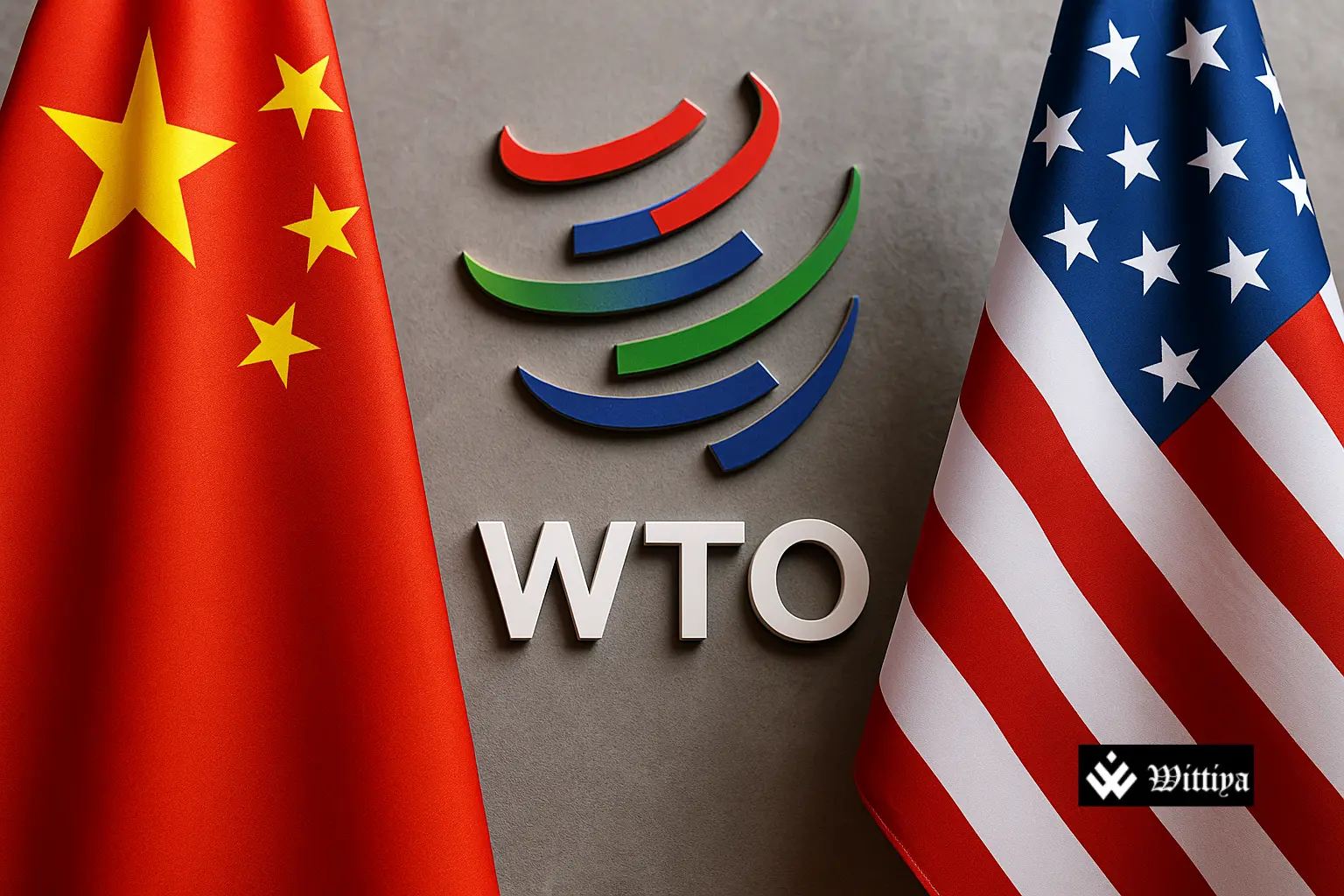
China has expressed readiness to engage with the United States at the World Trade Organization (WTO) on contentious trade matters including tariffs and subsidies. This development marks a potential thaw in ongoing trade tensions between the two economic giants ahead of the WTO’s 2026 ministerial meeting in Cameroon.
China has indicated it is open to discussing key trade issues such as tariffs, subsidies, and developing country privileges with the United States at the World Trade Organization (WTO). This move comes as both countries prepare for the 2026 WTO Ministerial Conference in Cameroon and aim to ease prolonged trade tensions.
According to a senior delegate from China’s mission to the WTO, who requested anonymity due to diplomatic protocol, China is willing to participate in discussions on trade practices that Washington views as barriers to reforming global trade rules. The Chinese delegate emphasized, “We have heard every word the U.S. has said and are ready to discuss key issues including tariffs and industrial policies.”
This openness comes amid ongoing tensions triggered by extensive tariffs levied by the U.S. and retaliatory measures by China over recent years. A major point of contention remains the Special and Differential Treatment (SDT) afforded to developing countries. The United States Trade Representative (USTR) argues that large economies like China should not claim such benefits, which allow for higher tariffs and more generous subsidies.
While the Chinese official maintained that China’s developing country status is non-negotiable, they acknowledged China may voluntarily forgo SDT in specific negotiations—just as it did during recent WTO talks on fisheries and domestic regulation standards.
“I see that in the coming negotiations, generally speaking, I don’t think China will ask for the SDT,” the delegate said, offering a potential opening for compromise.
Trade experts such as Keith M. Rockwell, former WTO spokesperson and now a senior fellow at the Hinrich Foundation, expressed skepticism about China fully abandoning SDT benefits in sensitive areas like agriculture. Meanwhile, the U.S. maintains that countries should not selectively use SDT provisions and urges China to renounce them entirely.
On subsidies, the Chinese delegate said Beijing is willing to engage in good-faith negotiations to ensure fairer trade practices. However, any effort perceived as attempting to reshape China’s economic system would be firmly rejected.
Significantly, China has also hinted at revisiting tariff commitments under Article 28 of the WTO Agreement. “We welcome the U.S. to come back to the WTO. We are ready to renegotiate on Article 28 if the U.S. raises their requests here at the WTO,” the delegate added.
This marks a notable shift in tone following a series of positive trade meetings held in Geneva and London, as the two countries tentatively work toward resetting parts of their fractured trade relationship.