





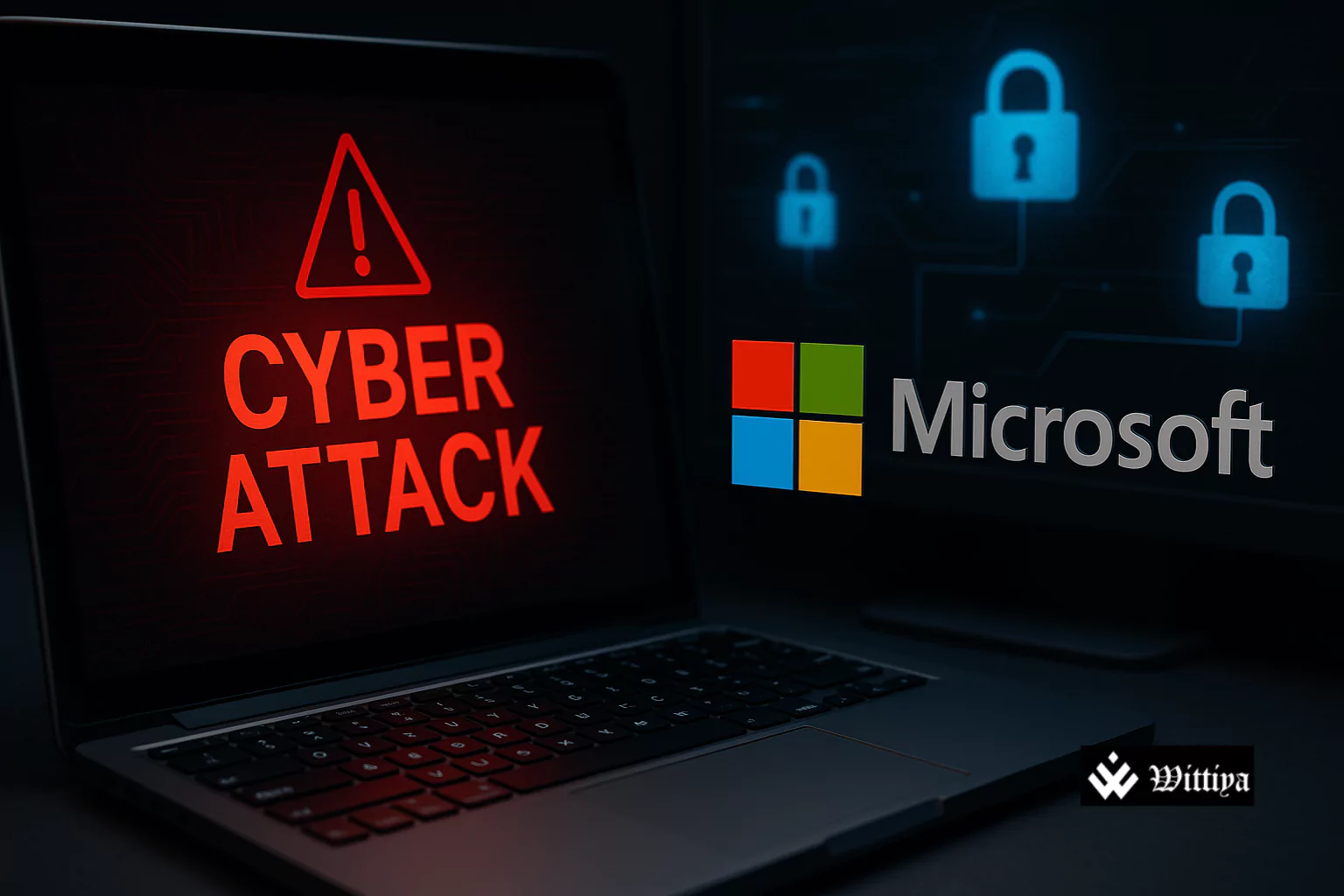
Microsoft has issued a critical security update after a zero-day vulnerability in SharePoint software was found to be under active exploitation. The flaw threatens businesses and U.S. government entities using unpatched versions, especially SharePoint Server 2016, prompting urgent action from cybersecurity agencies.
In a significant cybersecurity development, Microsoft has released an emergency patch addressing a critical zero-day vulnerability in its SharePoint software, after confirming that hackers had already exploited the flaw. The company issued the fix between July 19 and 20, targeting SharePoint Server 2019 and the SharePoint Server Subscription Edition, with a pending update for older SharePoint Server 2016 installations.
The breach has raised serious concerns across the U.S., where government entities and private businesses widely deploy Microsoft SharePoint as part of their enterprise collaboration frameworks. This zero-day vulnerability—so named because it was discovered and exploited before a patch became available—allowed threat actors unauthorized access to unpatched SharePoint servers.
Cybersecurity experts have stressed the financial and operational risks of not addressing such vulnerabilities promptly. While the immediate impact remains unquantified, the potential breach of sensitive organizational data could result in regulatory penalties, reputational damage, and operational disruption.
Microsoft’s guidance urges all users to immediately update their servers or, where patching isn’t feasible, disconnect them from the internet entirely. The advisory particularly highlights that SharePoint Server 2016 remains vulnerable, and system administrators must remain vigilant until an update is released.
This incident further highlights the increasing frequency of supply chain and infrastructure-targeted attacks. As U.S. enterprises accelerate digital transformation, their reliance on platforms like SharePoint also increases their exposure to emerging cyber threats.
In light of the threat, analysts have reiterated the need for enterprises to incorporate proactive risk management strategies—such as regular patch management, endpoint monitoring, and robust incident response protocols—into their IT security governance.
As Microsoft continues efforts to close the gap on its older platforms, this event underscores the importance of enterprise agility in cybersecurity response and reinforces that in the digital economy, security is not a feature—it is an imperative.