






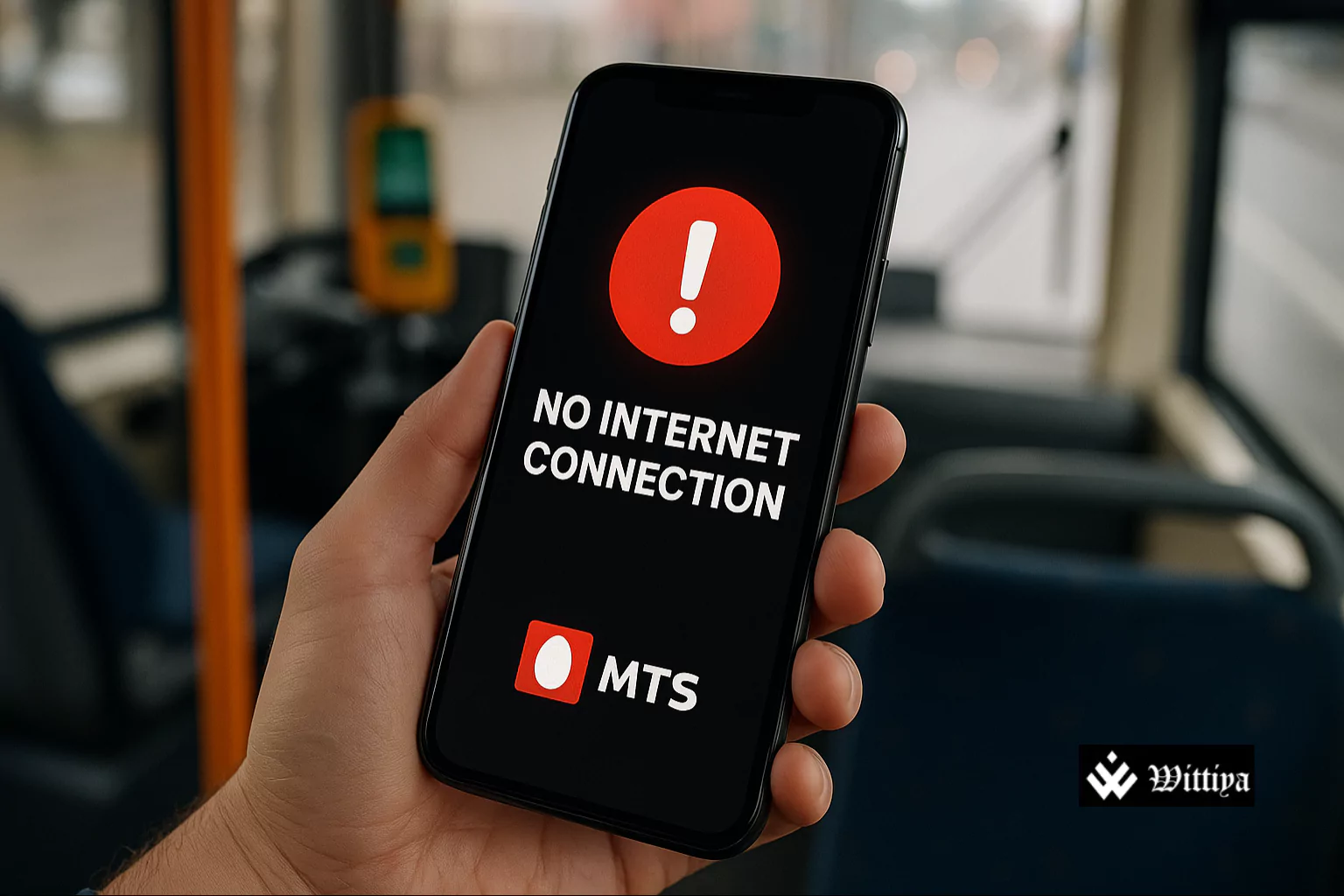
Russia’s government-enforced mobile internet shutdowns—initially framed as drone countermeasures—are increasingly disrupting the country’s economic and civil infrastructure. From transport payments to business operations, the impacts are cascading, raising concerns over broader digital control.
What began as a reactive security strategy is now having far-reaching implications for Russia’s domestic economy and infrastructure. Since June 2025, government-mandated mobile internet blackouts—initially aimed at deterring drone navigation—have rapidly expanded into a disruptive force affecting daily life in over 70 of the country’s 83 regions.
While authorities claim the blackouts are a necessary wartime measure, intended to block hostile drones from accessing 4G signals for geolocation, the scale and frequency of these shutdowns suggest a more expansive impact. Across Russia, citizens are increasingly unable to rely on app-based services for navigation, fuel purchases, public transport, and even utility coordination.
Logistics, Banking, and Commuting Paralyzed
In urban corridors like the St. Petersburg–Moscow highway and eastern regions such as Khabarovsk—where no hostile activity has been confirmed—mobile internet access is frequently cut without prior notice. The result is widespread digital paralysis. Navigation tools stop functioning mid-commute, drivers can’t pay tolls without digital wallets, and logistics services dependent on real-time mapping experience significant delays.
This digital instability is particularly damaging in a country where mobile data is the primary channel of internet access for a vast portion of the population. For many, mobile connectivity powers banking transactions, booking rides, paying utility bills, and managing digital work platforms. Interrupting these systems has sent shockwaves through consumer behavior and operational reliability.
Also Read: Is Starlink Overpriced? Why Jio and Airtel Might Win the Satellite Internet War
No Warning, No Transparency—Just Daily Outages
Independent monitors tracking Russia’s digital landscape confirm daily mobile data disruptions in 73 regions. These disruptions do not affect cellular voice services, but rather cut access to applications reliant on data, including navigation, messaging, and payment apps.
There is no official map or public notice system to help citizens or businesses prepare. Public frustration is building, especially among sectors relying on continuous internet to function—such as logistics, municipal services, and remote professionals.
In one documented incident, heating infrastructure work in Pskov was delayed because a utility company could not access its cloud-based project tools during an outage. Transport card systems in Rostov-on-Don went offline, forcing bus drivers to rely on cash and informal payment transfers.
Economic Ripple Effects Reach Aviation and Manufacturing
Even critical infrastructure like airports and industrial manufacturing is not immune. Drone alerts—often occurring without follow-up strikes—have prompted repeated suspensions of flights, with over 300 cancellations reported in Moscow over a single weekend. This not only disrupts consumer travel but also affects freight timelines, tourism inflows, and aviation logistics.
Meanwhile, some of Russia’s largest industrial cities have seen blackout periods coincide with drone incidents. Yet in places like Izhevsk, no air raid warning was issued before a missile plant was hit—raising further questions about the effectiveness and timing of these data cuts.
Public Wi-Fi Is Not a Solution
In a partial response, local governments in cities such as Tula and Omsk have begun rolling out public Wi-Fi zones as a contingency. However, these networks often lack reliability and speed, and they do little to help people who rely on real-time mobile data for GPS, mobile banking, or critical business tools.
Even where such networks exist, access points are limited and not integrated into public infrastructure like buses or taxis. For many, especially in rural or semi-urban regions, there is simply no alternative when mobile data is turned off.
Also Read: Starlink Gets Green Light: A New Era of Connectivity for India
A Financial Control Tool in Disguise?
While the initial justification tied the shutdowns to wartime logistics, analysts now point to a dual-purpose strategy: curbing drone interference while tightening the government’s control over the national information flow. With over half of financial services in Russia accessed via smartphones, mobile internet has become more than a utility—it’s the backbone of the informal and digital economy.
The ripple effect includes reduced consumer spending during blackout hours, delays in digital invoice processing, and strain on retail sectors that rely on app-based point-of-sale systems. With payment gateways throttled and mobility apps offline, vendors are experiencing drop-offs in productivity and foot traffic.
A Growing Divide Between Policy and Practicality
As mobile data blackouts persist, experts argue that the government’s current strategy may be economically unsustainable in the long term. Not only are small businesses and civil utilities bearing the brunt of the disruption, but public trust in digital services is deteriorating.
Citizens, meanwhile, are responding with humor and memes to cope—yet the underlying unease remains. A growing segment of Russia’s workforce, particularly remote workers and digital service providers, continues to question whether the blackout policy is truly about national defense or a mechanism for controlling access to information.
READ MORE ON