






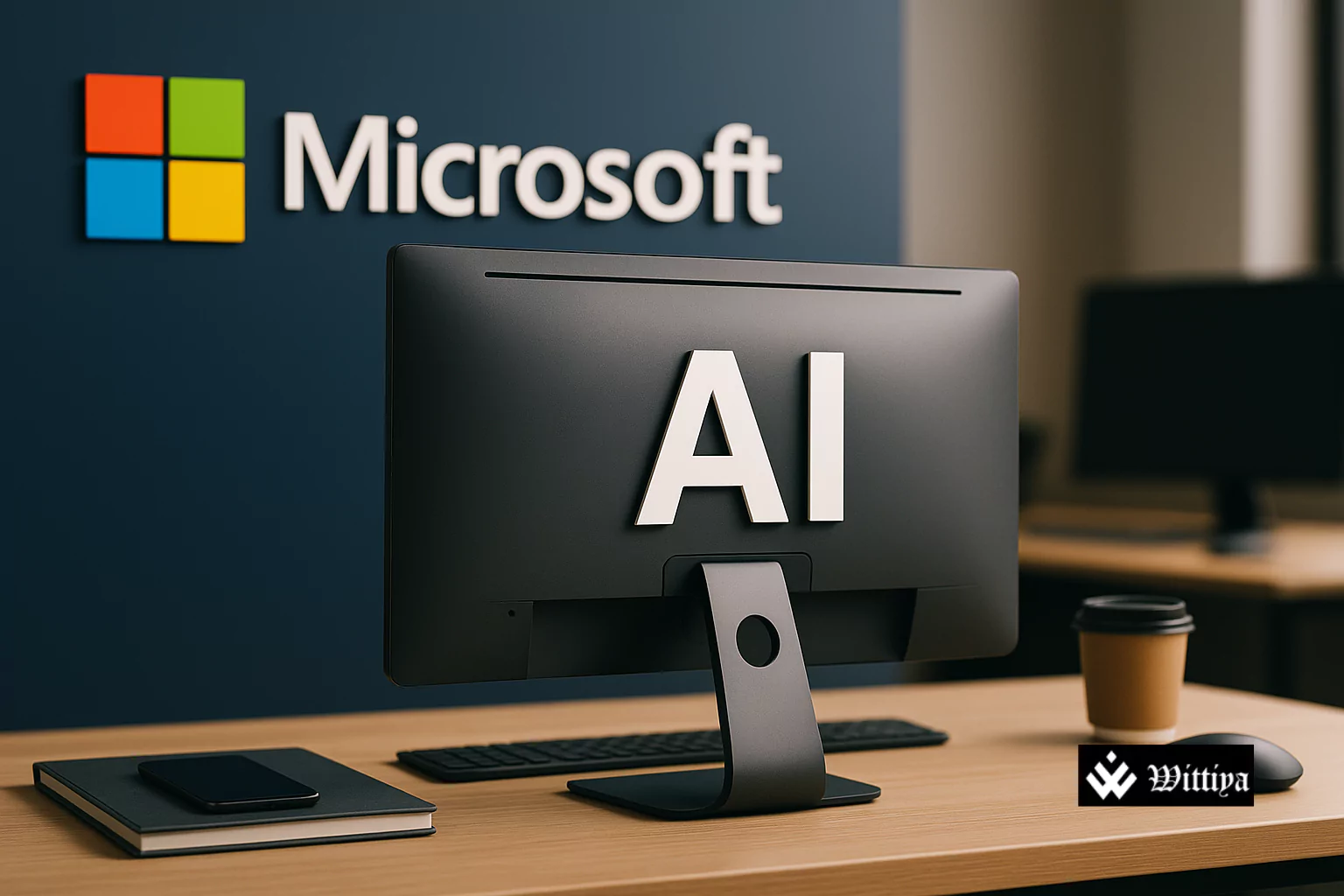
Microsoft Corporation, based in Redmond, Washington, United States, is facing public backlash for using AI-generated artwork in a job advertisement for its Xbox Graphics team. The criticism comes shortly after the tech giant laid off over 9,000 employees, raising concerns about replacing creative professionals with artificial intelligence.
Microsoft Corporation, one of the world’s leading technology firms, is facing public criticism after a recruitment post for its Xbox Graphics team featured an AI-generated image. The post surfaced shortly after the company announced the termination of over 9,000 employees across various divisions.
The job opening targeted experienced engineers for backend development in Xbox Graphics, and included links to roles such as Senior Software Engineer – Xbox Graphics and Software Engineer 2 – Xbox Graphics. Both roles are based out of its Redmond headquarters. However, it was the use of an AI-generated image—depicting a woman oddly staring at the back of a computer monitor—that sparked backlash online.
Social media users quickly called out the irony. Many criticized the company for replacing human designers with AI-generated visuals—especially at a time when thousands of employees had been let go. Some questioned whether Microsoft had overlooked the impact such decisions might have on its reputation, particularly within the design and creative communities.
The image’s aesthetic was also mocked for its generic composition and visual inaccuracies, leading many to suggest that the company could have easily sourced quality creative from human professionals. For a team responsible for graphics and user experience, using substandard AI art struck many as tone-deaf.
Beyond the image itself, the controversy underscores deeper concerns about Microsoft’s broader direction. The company has made significant investments in artificial intelligence, including its partnership with OpenAI, and is integrating AI tools across its Microsoft ecosystem—from enterprise software to cloud platforms. This rapid shift, while seen as strategically sound by some, has raised ethical questions about how companies balance innovation with human employment.
Critics argue that adopting AI in traditionally human-driven areas—especially when optics around job cuts remain sensitive—can erode trust and morale. While automation and AI are becoming standard in tech operations, the perception of replacing people with machines, particularly in creative fields, is still met with skepticism.
For Microsoft, the challenge now lies in how it communicates these transitions. Transparency around AI integration, responsible deployment, and a clear commitment to supporting human talent may be key to managing public perception going forward.