






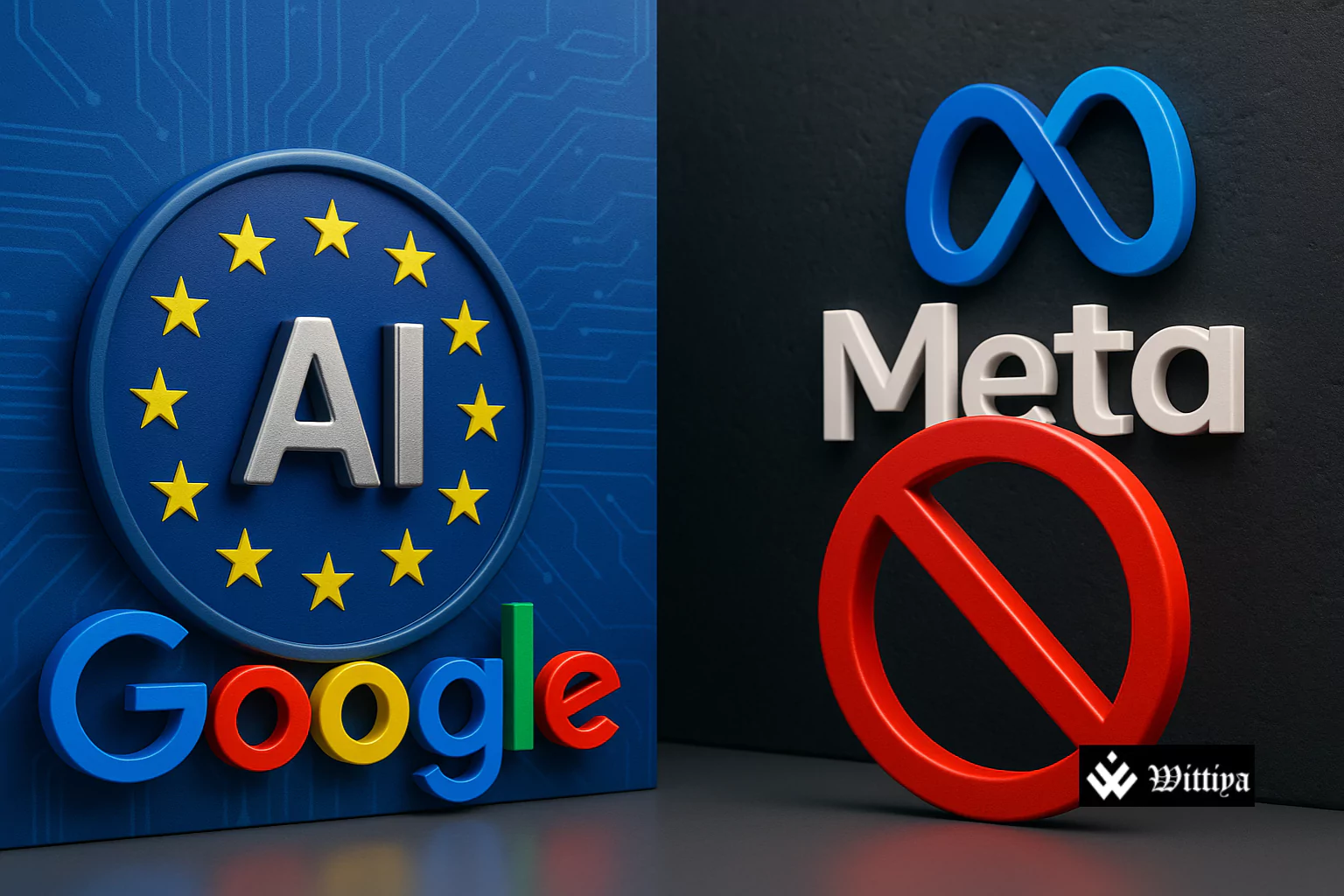
Google has officially joined the European Union’s new code of practice for advanced AI models, aligning with OpenAI and others. Meanwhile, Meta has opted out, citing legal uncertainties and overreach. This move places Google at the center of Europe’s evolving AI regulatory landscape as Brussels resists global pressure to delay enforcement.
n a significant move shaping the future of artificial intelligence regulation, Google has announced its decision to join the European Union’s new code of practice for highly capable AI models. The code, released this month, lays out recommendations for developers of general-purpose AI (GPAI) systems, like Google’s Gemini, ahead of the EU’s AI Act enforcement period beginning August 2.
The code aims to increase transparency, ensure accountability, and manage risks associated with advanced AI technologies across Europe. However, this regulatory development has drawn mixed reactions from global tech leaders.
Kent Walker, Google’s President of Global Affairs, confirmed the company’s commitment, stating, “We will join several other companies, including U.S. model providers, in signing the code.” At the same time, he emphasized the importance of preserving innovation, warning that some regulatory provisions could threaten Europe’s competitive edge.
Also Read: Cheap, Fast, Chinese: Is Z.ai’s GLM-4.5 a Threat to U.S. AI Dominance?
Departures from EU copyright law, steps that slow approvals, or requirements that expose trade secrets could chill European model development and deployment.”
Kent Walker, Google President of Global Affairs
Unlike Google, Meta, the parent company of Facebook and Instagram, has refused to adopt the code, citing broad overreach and legal ambiguity. The firm expressed concern that the new rules might exceed the scope defined in the EU’s AI Act, potentially placing undue burden on developers.
The divide illustrates the broader tension between policymakers in Brussels and technology companies headquartered in the U.S., particularly as the EU resists lobbying pressure to delay enforcement. Tech executives argue that overly stringent frameworks may inhibit innovation and delay the deployment of transformative technologies.
This development also comes amid Europe’s increased scrutiny of digital platforms and their influence, with political advertising, data use, and content moderation remaining hot-button issues between Meta and EU regulators.
Despite criticism, the European Commission has stayed firm. With companies like OpenAI and Google pledging cooperation, the bloc is signaling a commitment to shaping a responsible AI landscape, even at the cost of industry dissent.
As global AI adoption accelerates, Europe’s regulatory clarity—or lack thereof—will likely play a pivotal role in deciding which players lead the next phase of technological development.
READ MORE ON