






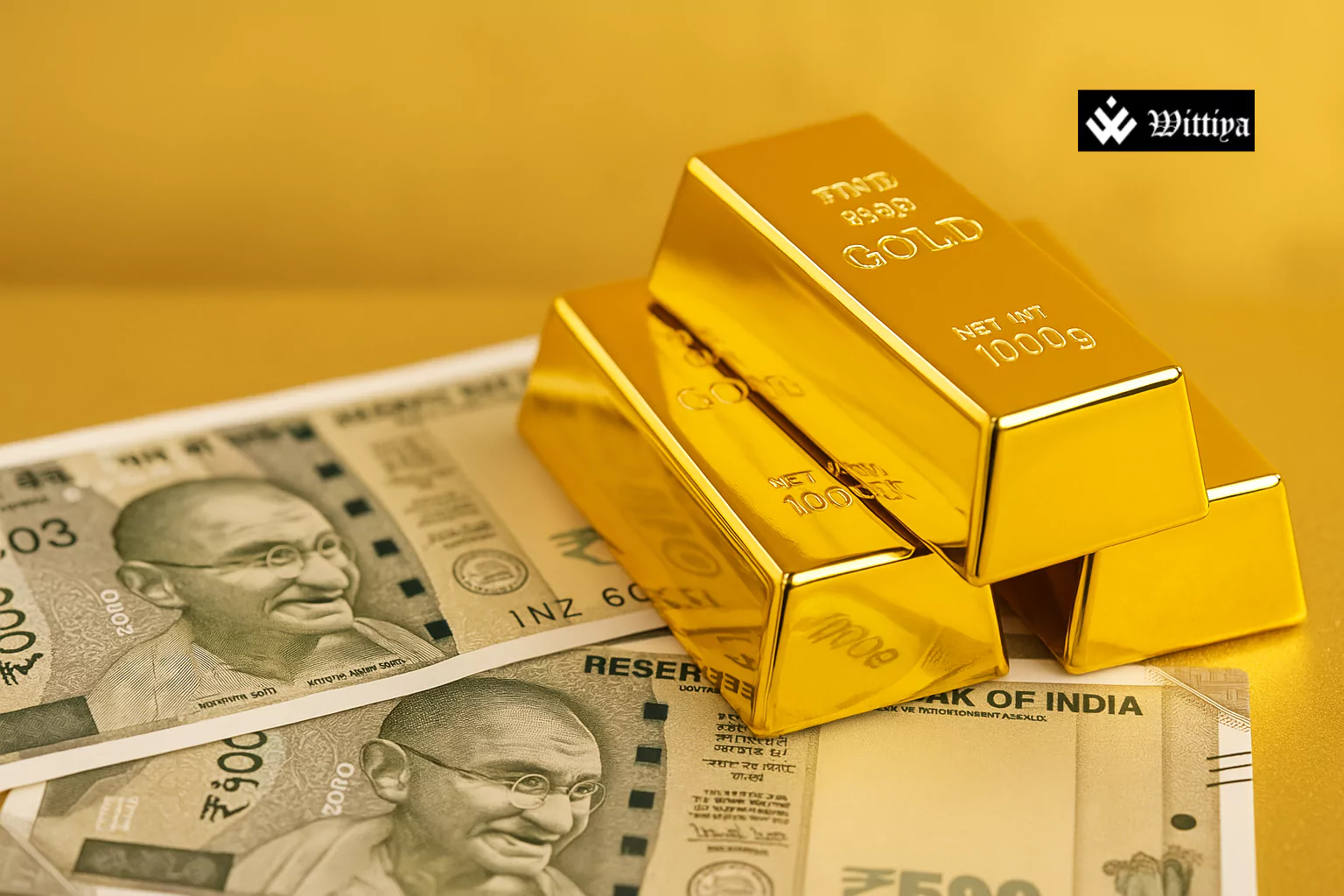
Gold prices in India have eased from record highs seen in late 2024, driven by cooling global inflation and stable interest rates. However, core fundamentals such as central bank accumulation and long-term economic uncertainty may continue to support the yellow metal’s value.
India, a country long associated with gold both culturally and economically, is witnessing a notable moderation in gold prices following a surge to all-time highs earlier this year. By mid-May 2025, gold prices have eased to approximately ₹9,600 per gram (₹96,000 per 10 grams), down from the peak of nearly ₹10,000 per gram reached in late 2024.
A key factor influencing this decline is the softening of global inflation, especially in the United States, where annual inflation fell to 2.3% in April 2025—the lowest recorded in over four years. With inflation pressures receding, investors globally are less inclined to hedge with gold, instead reallocating funds to interest-bearing instruments and equities.
This shift is also tied to recent geopolitical developments. Global tensions, especially between major economies like the US and China, have shown temporary signs of easing, making risk-on assets more appealing. In India, where markets are particularly sensitive to global cues, this has resulted in a diversification away from safe-haven assets like gold.
Stable interest rates globally have also dampened gold’s appeal. As central banks, particularly the U.S. Federal Reserve, hold interest rates steady, fixed-income instruments gain favor over non-yielding assets like gold.
Still, the long-term outlook for gold remains resilient. Central banks, including the Reserve Bank of India (RBI), continue to accumulate gold reserves as a strategic asset. This consistent institutional demand provides fundamental support to gold prices, helping cushion against short-term volatility.
India’s cultural affinity towards gold, reinforced by its role in weddings and festivals, combined with its strategic importance in investment portfolios, continues to underpin strong domestic demand.
Furthermore, the global economic outlook remains uncertain. Disruptions in supply chains, potential fiscal instability, or a sudden downturn in economic activity could reignite demand for gold as a hedge.
While current market dynamics suggest a temporary pause in gold’s rally, the underlying structural drivers—including central bank buying, inflation risk, and currency volatility—indicate that the yellow metal’s relevance as a strategic asset remains intact.