






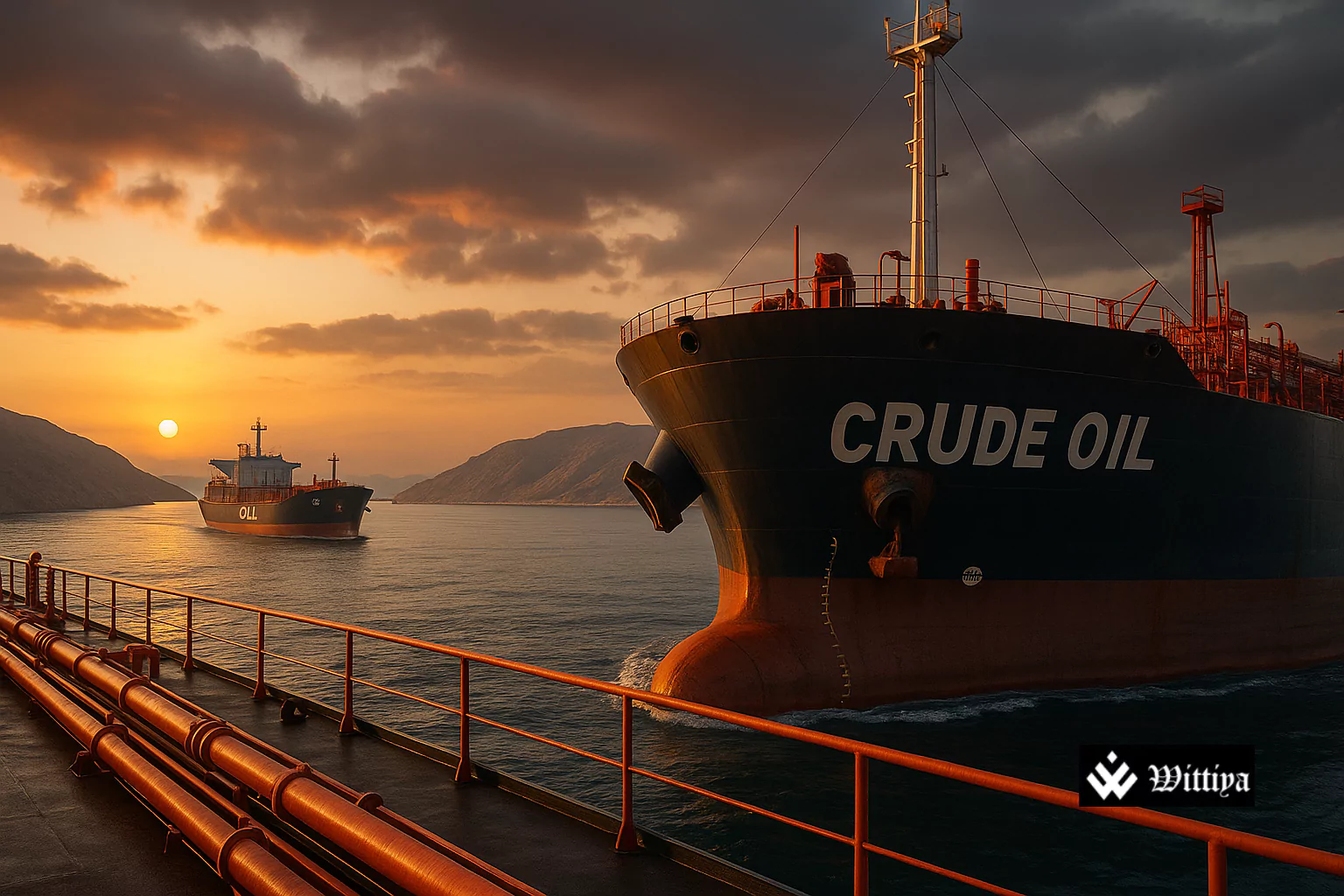
The escalating conflict around Iran has put Asia’s oil lifeline at risk, threatening critical crude and fuel trade routes through the Strait of Hormuz. Countries like China and India, heavily reliant on Middle Eastern oil and Iranian fuel exports, face potential disruptions. This uncertainty affects shipping through the Persian Gulf and Red Sea, prompting a shift in demand to alternatives like Russian and African crude.
As geopolitical tensions rise in the Middle East, Asian oil buyers are bracing for the fallout from potential disruptions in crude and fuel supplies. The conflict surrounding Iran has intensified fears that Asia’s vital energy lifeline through the Strait of Hormuz could be compromised, threatening nearly 90% of oil shipments from the Persian Gulf.
According to data from global commodity intelligence firm Kpler SAS, more than four-fifths of crude oil produced in the Middle East is consumed by Asia, with the bulk transported through the Hormuz chokepoint. This narrow waterway is central to global oil flows, especially for major economies like China and India.
China, the world’s largest oil refiner, is particularly exposed. Around 14% of its crude officially comes from Iran, but the actual volumes are believed to be higher due to shipments disguised as originating from third countries such as Malaysia, the UAE, and Oman to bypass US sanctions. These discounted flows are critical for China’s private refining sector, known as “teapots,” which operate on slim margins.
Amid the threat of sanctions enforcement or outright disruption of Iranian supply, refiners are shifting toward safer crude options. Demand has surged for oil grades that bypass the Strait of Hormuz, such as Abu Dhabi’s Murban, Omani crude, and Russian ESPO. African crude varieties, especially from Angola, are also gaining traction.
Iran’s role is not limited to crude. It is a significant exporter of high-sulfur fuel oil, liquefied petroleum gas (LPG), and condensates. A large portion of these supplies feeds the ship-refueling hubs of Fujairah (UAE), Singapore, and Malaysia, as well as China’s petrochemical sector. China currently sources nearly a quarter of its LPG imports from Iran.
Iran also holds strategic influence over maritime routes. While a direct blockade of the Strait is unlikely, Tehran could indirectly destabilize global oil movement via regional proxies. The Bab el-Mandeb strait, a key shipping route between Asia and Europe, remains vulnerable to attacks by Yemen’s Houthi rebels. Over 9% of global seaborne trade, worth over $2 trillion annually, moves through this narrow channel.
Such instability has implications for Russia’s eastward oil exports as well. As traditional Western markets shun Russian oil post-Ukraine invasion, Asia has become a major destination. But continued use of the Red Sea for shipping poses risks, forcing some vessels to consider longer, costlier routes via the Cape of Good Hope.
As tensions mount, Asia’s oil-dependent economies are left monitoring the evolving crisis, hedging their imports, and scouting for alternate suppliers to mitigate potential supply shocks. The global oil market, already tight, may face further pressure if disruptions persist or escalate.