


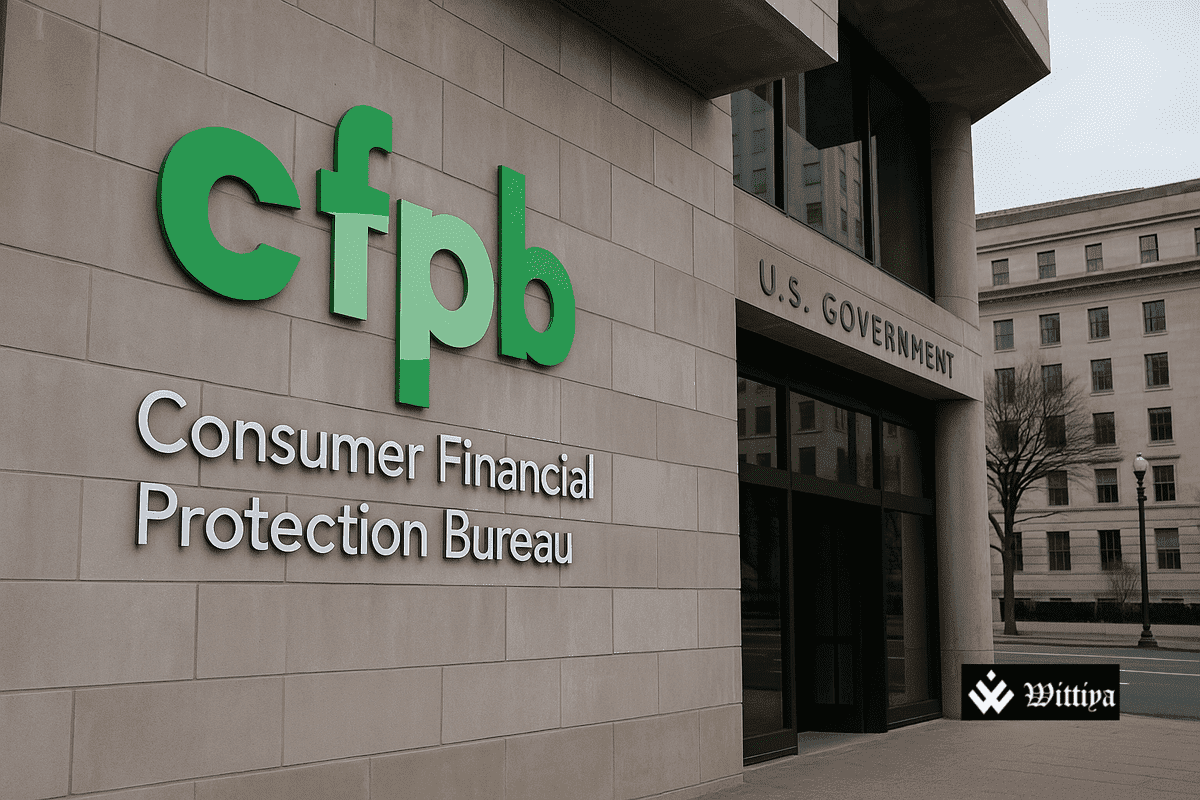
The Consumer Financial Protection Bureau (CFPB), based in Washington, D.C., United States, has come under fire from the Financial Technology Association (FTA) for rescinding the landmark 1033 open banking rule, a move seen as weakening FinTech competition and consumer data rights.
The Consumer Financial Protection Bureau (CFPB), a U.S. government agency responsible for consumer financial protection, is under intense scrutiny following its decision to revoke the highly anticipated 1033 open banking rule. The Financial Technology Association (FTA), which represents leading FinTech firms, has voiced strong opposition to the move, claiming it undermines competition and consumer rights.
The 1033 rule, finalized in October 2024, aimed to empower American consumers by allowing them to instruct their banks to share financial data with third-party providers. Seen as a major step toward advancing open banking in the United States, the regulation promised increased innovation and competition in financial services.
However, traditional banks lobbied against the rule, citing liability risks and high costs associated with data sharing. Responding to mounting pressure, the CFPB confirmed in May that it would seek judicial approval to vacate the rule.
FTA CEO Penny Lee condemned the decision, stating, “Vacating the 1033 rule is a handout to Wall Street banks, who are trying to limit competition and debank Americans from digital financial services.”
This marks another reversal in consumer-focused regulations under the Trump-aligned leadership of acting CFPB Director Russell Vought. In March 2025, the bureau also repealed guidelines treating “pay-in-four” buy now, pay later (BNPL) providers as credit card lenders. Additionally, lawsuits against major financial institutions like JPMorgan Chase, Bank of America, and Wells Fargo involving Zelle fraud have been quietly dropped.
Further, Congress overturned a proposed rule that would have extended CFPB oversight to Big Tech platforms like Apple, Google, and X offering digital wallet services.
Industry observers now fear a systematic dismantling of financial modernization efforts, potentially stalling the FinTech sector’s growth and weakening consumer financial autonomy.