






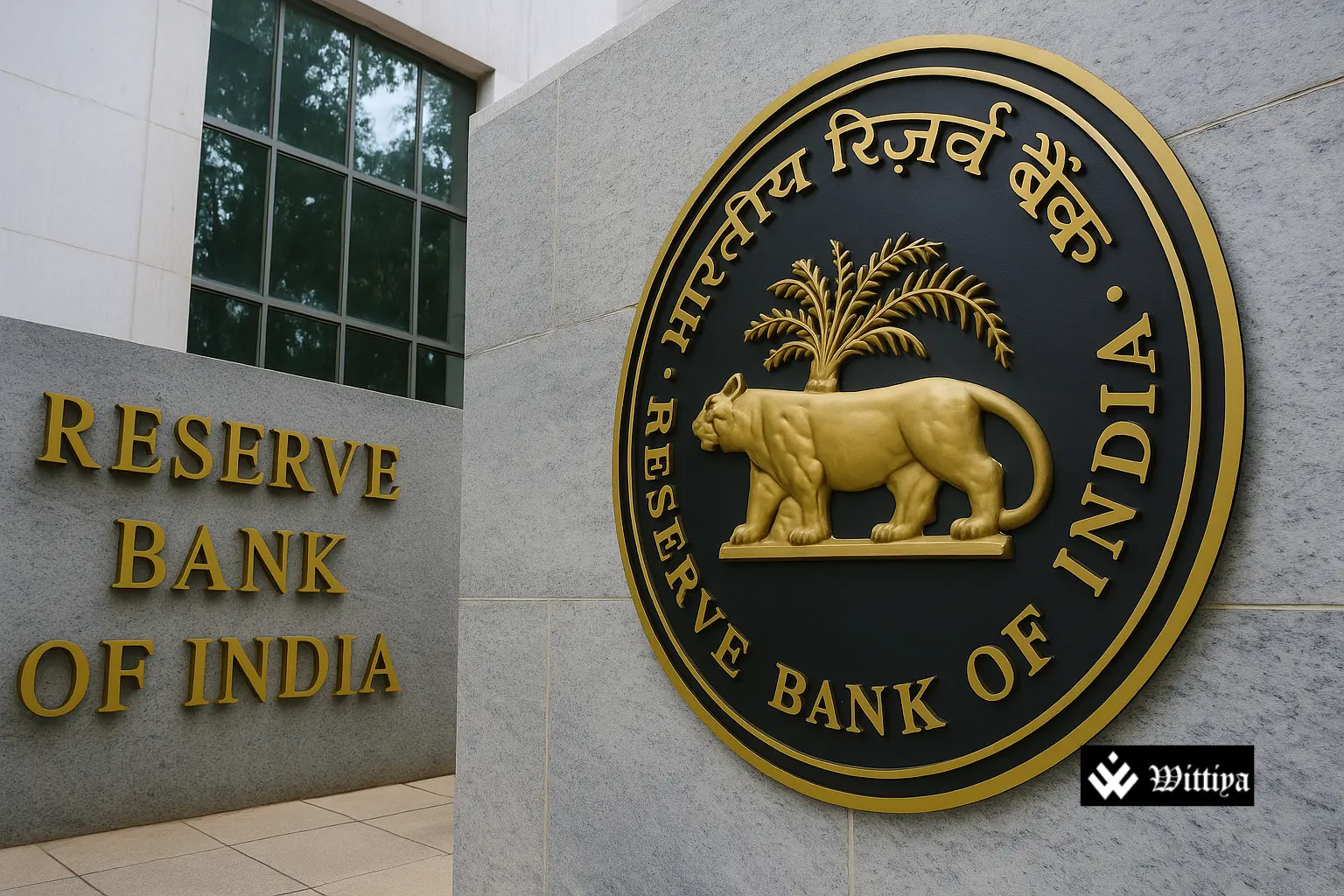
India’s central bank, the Reserve Bank of India (RBI), headquartered in Maharashtra, is reportedly seeking approval from the government to permit domestic banks to lend in Indian rupees to neighboring countries including Bangladesh, Bhutan, Nepal, and Sri Lanka. This strategic move, aimed at promoting the rupee’s international use, is intended to ease trade settlements and reduce dependence on foreign currency and swap lines.
The Reserve Bank of India (RBI), the central banking institution of India headquartered in Mumbai, Maharashtra, is reportedly seeking the Indian government’s approval to allow domestic banks to extend loans in Indian rupees to overseas borrowers. This initiative will initially target neighboring countries including Bangladesh, Bhutan, Nepal, and Sri Lanka.
According to sources familiar with the matter, this move is part of RBI’s ongoing efforts to internationalize the rupee and strengthen its presence in global trade. By permitting rupee-denominated lending abroad, India aims to simplify cross-border trade settlements, minimize exposure to foreign exchange fluctuations, and reduce dependency on currency swap arrangements that are currently used during periods of economic stress.
The central bank believes that enabling direct rupee loans to neighboring countries would not only enhance bilateral trade relationships but also promote regional financial stability. The proposal, currently under government consideration, is expected to come with strong regulatory oversight and safeguards to mitigate risks.
This strategic step complements recent initiatives like the introduction of rupee trade settlement mechanisms and increased bilateral discussions with regional economies on using the Indian rupee in trade transactions.
If approved, Indian banks will be able to offer credit in rupees to select foreign borrowers for specific trade and infrastructure projects, which may lead to a broader acceptance of the rupee in South Asia’s financial system.
The RBI has not made an official statement, and the final decision will rest with the Ministry of Finance, which is currently reviewing the central bank’s proposal.