


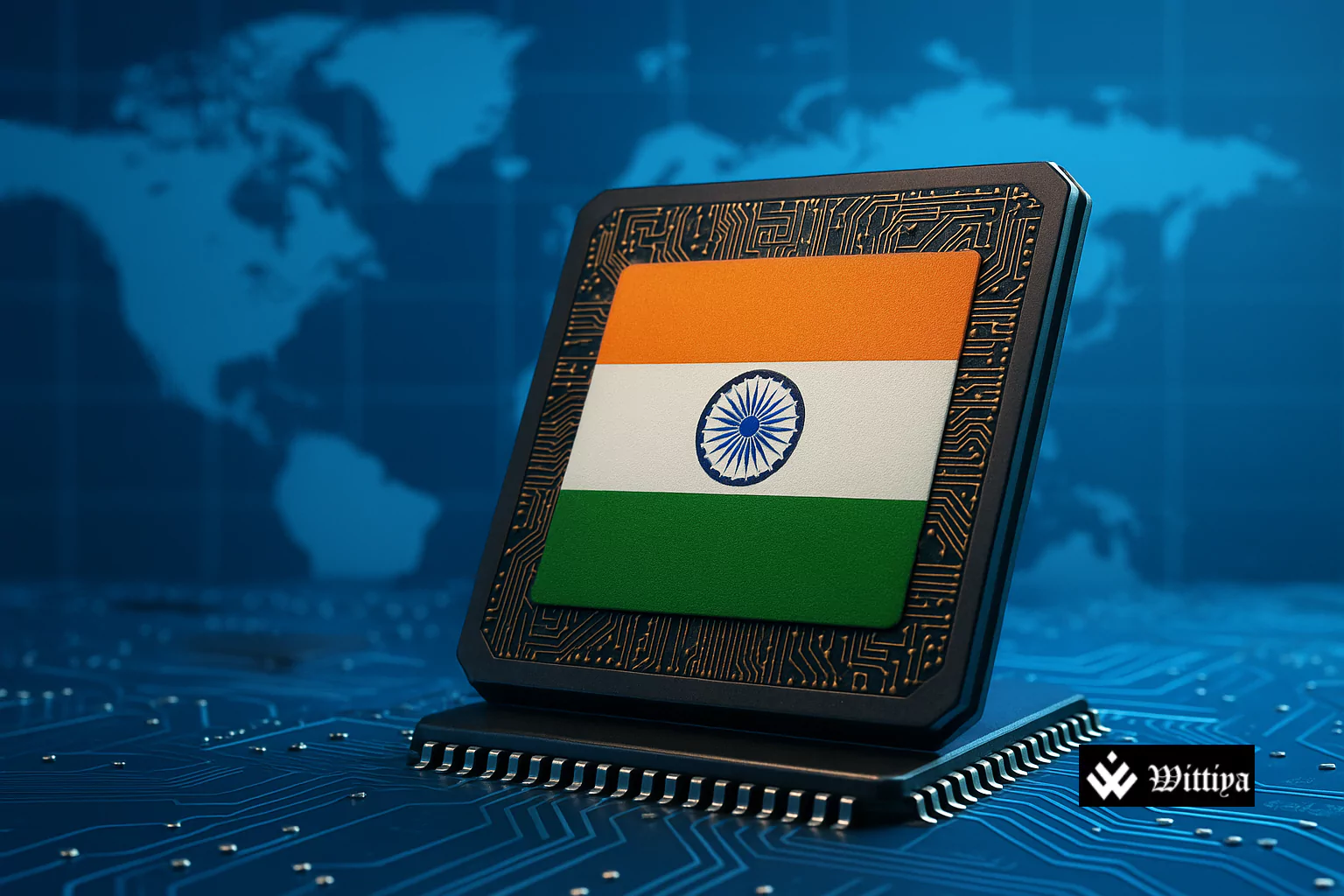
India is accelerating its position in the global semiconductor value chain through the India Semiconductor Mission. With the chip market poised to cross USD 1 trillion by 2030, India’s domestic ecosystem is rapidly evolving with policy support, fiscal incentives, and an aggressive push toward manufacturing and design. The country aims to become a trusted global hub, reducing dependency on imports and securing a strategic role in the diversified supply chain.
India is steadily transforming from a semiconductor aspirant into a global manufacturing and design leader, driven by a policy-backed transformation through the India Semiconductor Mission. This mission is a cornerstone of India’s strategy to reduce import dependency and emerge as a reliable partner in the global semiconductor supply chain.
The global semiconductor market is on track to surpass USD 1 trillion by 2030, and India is positioning itself as a pivotal player. As per industry estimates, India’s chip market, valued at USD 38 billion in 2023, is projected to grow to USD 100–110 billion by 2030.
The growth is anchored by a series of well-structured fiscal incentives under schemes such as the Semiconductor Fabs Scheme, offering up to 50% financial assistance for the establishment of semiconductor fabrication plants. Parallel support is extended to ancillary units like Display Fabs, ATMP (Assembly, Testing, Marking and Packaging), and OSA (Outsourced Semiconductor Assembly and Test).
Also Read: Tesla and Samsung Sign $16.5 Billion Semiconductor Deal for Next-Gen AI Chips
These policy interventions are not only attracting domestic investments but also pulling in global players, ensuring that India is not just a consumer market but also an innovation and production hub. The semiconductor strategy integrates infrastructure development, R&D promotion, and workforce upskilling to support a holistic ecosystem.
India’s rise in the semiconductor sector also plays a vital geopolitical role. Amid global supply chain disruptions and calls for diversification beyond traditional chip manufacturing countries, India’s stable political landscape and skilled labor pool offer a competitive alternative.
By securing a larger share of the global semiconductor supply chain, India stands to enhance its technological sovereignty, support its Make in India initiative, and contribute significantly to GDP growth in the coming decade.
The semiconductor mission, thus, is more than a policy move — it’s a foundational step toward cementing India’s role as a global technology powerhouse.
READ MORE ON