






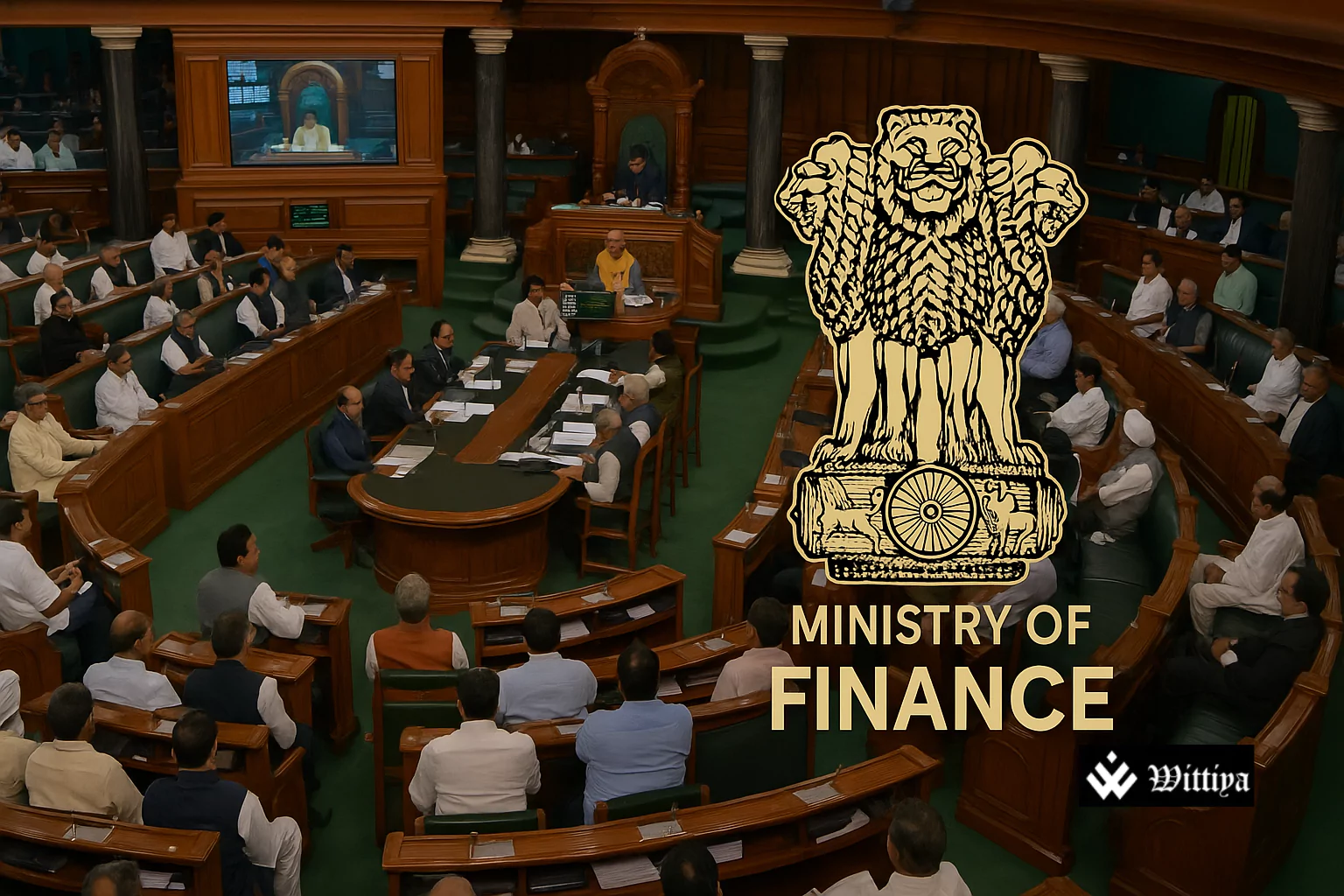
India’s government will reintroduce the revised Income Tax Bill, 2025 in Parliament, addressing earlier drafting errors and clarifying key provisions related to refunds, house property valuation, deductions, and commercial property taxation. These changes aim to enhance fairness and reduce litigation risks in India’s direct tax system.
India’s government is set to reintroduce the revised Income Tax Bill, 2025 in Parliament, signaling a major step toward refining the country’s direct tax regime. This updated draft addresses significant drafting inconsistencies and ambiguities that had prompted the earlier version’s withdrawal last week.
The Ministry of Finance has incorporated extensive stakeholder feedback to resolve contentious issues around tax refund claims, house property valuation, deductions, and commercial property taxation. These changes are expected to provide taxpayers, including salaried individuals, property owners, and investors, with clearer guidelines and more equitable tax treatment.
A key amendment involves the removal of Clause 263(1)(a)(ix), which previously barred refunds if income tax returns were filed late due to genuine reasons such as illness or technical issues. This deletion enables eligible taxpayers to claim refunds despite missing deadlines under valid circumstances, enhancing taxpayer relief and confidence.
Also Read: India Collects ₹705 Cr in Taxes from Digital Assets in FY23–FY24
In property taxation, the bill removes vague wording like “in normal course” from Clause 21(2), aligning valuation methods with established practice by comparing actual rent and deemed rent, and taxing the higher value. This clarity reduces disputes and improves compliance certainty.
Additionally, the bill clearly defines the 30% standard deduction from house property income to apply after municipal taxes are deducted. It also equalizes the treatment of pre-construction interest deductions between self-occupied and let-out properties, addressing long-standing fairness concerns.
Pension deductions have been broadened in Clause 19 to include non-employees receiving pension-like payouts, ensuring equitable tax benefits beyond traditional employee categories.
Importantly, commercial property taxation is refined to exclude vacant or temporarily unused business premises from being taxed as “house property,” thus preventing tax on notional income. The revised language replaces “occupied” with “as he may occupy,” maintaining business asset classification even when properties are unused.
Financial experts view these reforms as critical to reducing legal uncertainties and litigation risk in India’s direct tax framework. They highlight that the precision and unambiguous drafting will support the government’s broader agenda of tax system stability and economic growth.
This reintroduced bill reflects India’s commitment to evolving its fiscal policies to meet dynamic market needs and strengthen compliance, signaling a positive direction for taxpayers and the economy alike.
READ MORE ON