






India plans to ease petrol pump licensing norms to boost energy security and promote alternative fuels, supporting the nation’s decarbonization and electric mobility targets.
The Indian government is preparing to further relax regulations around petrol pump licensing to enhance energy security and support the nation’s goals for decarbonization. An expert committee has been formed to review the current guidelines and align them with India’s commitments to alternative fuels and electric mobility, marking a strategic shift in the country’s energy policies.
At present, companies with a net worth of ₹250 crore can sell petrol and diesel, provided they commit to establishing infrastructure for at least one new-generation alternative fuel—such as CNG, LNG, biofuels, or electric vehicle (EV) charging—within three years of starting operations. The proposed easing of these norms is expected to attract greater investments and expand India’s fuel retail network, which is among the fastest-growing globally.
Also Read: India’s Bold Step Toward Cleaner Energy: E20 Arrives in Kolkata
The committee, led by Sukhmal Jain, former Director of Marketing at Bharat Petroleum Corporation Ltd (BPCL), will evaluate how effective the 2019 policy framework has been in promoting energy security and market efficiency. It will also address any challenges in implementing the current regulations and ensure the policy supports India’s broader goals of decarbonization and electric mobility.
This initiative aligns with India’s larger strategy to transition towards sustainable energy, reducing reliance on traditional fossil fuels. By simplifying petrol pump licensing, the government aims to encourage companies to invest more in infrastructure supporting cleaner fuels and EV charging, thereby accelerating the country’s energy transition while maintaining reliable fuel supply.
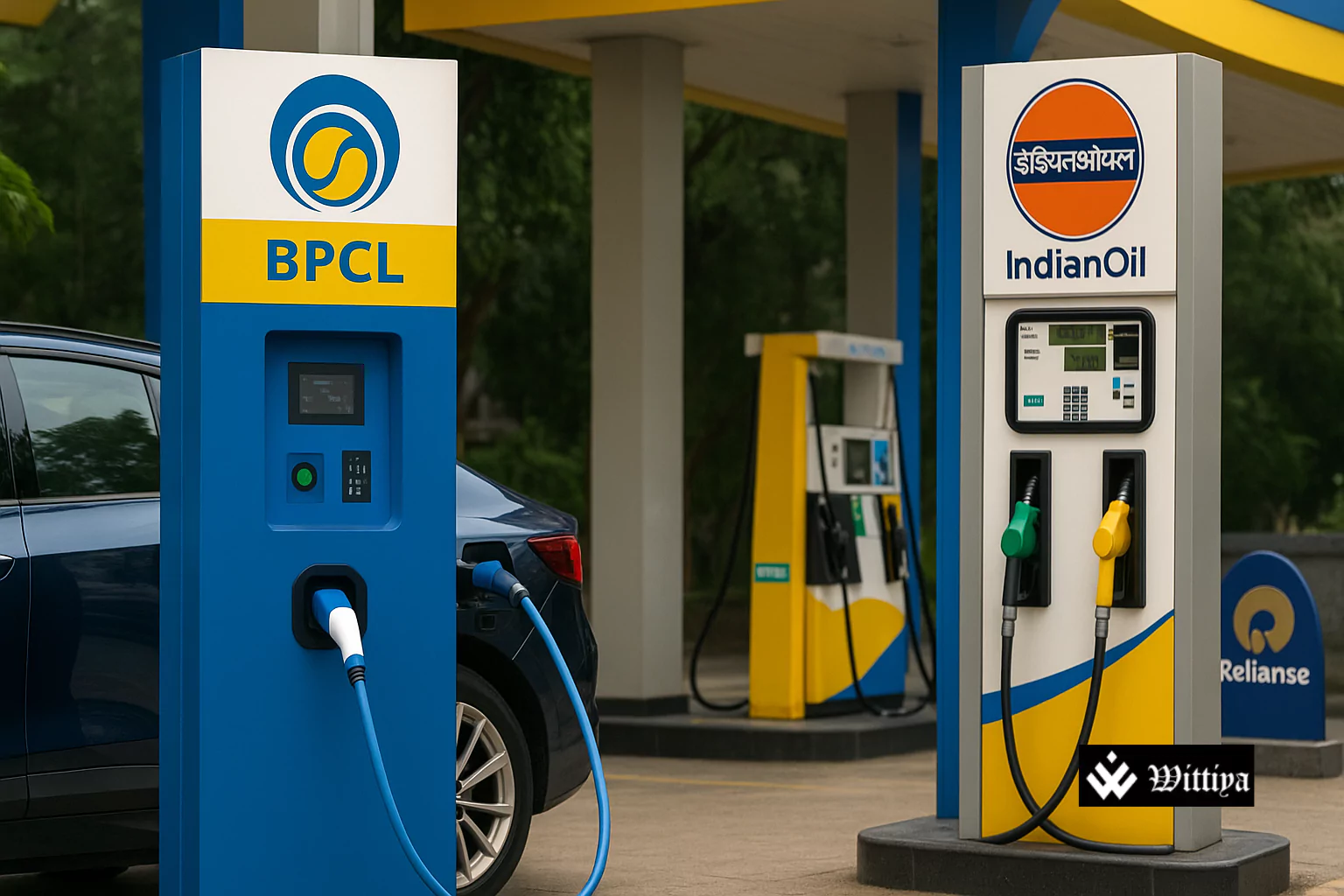
Key industry players such as Bharat Petroleum Corporation Ltd, Indian Oil Corporation Ltd, and Reliance Industries Ltd are expected to benefit as they expand their presence in both conventional fuel retailing and alternative energy infrastructure. The policy update is likely to increase competition, improve consumer access to cleaner fuels, and drive innovation within the energy retail sector.
As India strengthens its leadership in sustainable energy, these regulatory changes could accelerate adoption of alternative fuels and electric vehicles, supporting the country’s environmental targets and economic progress.
READ MORE ON