


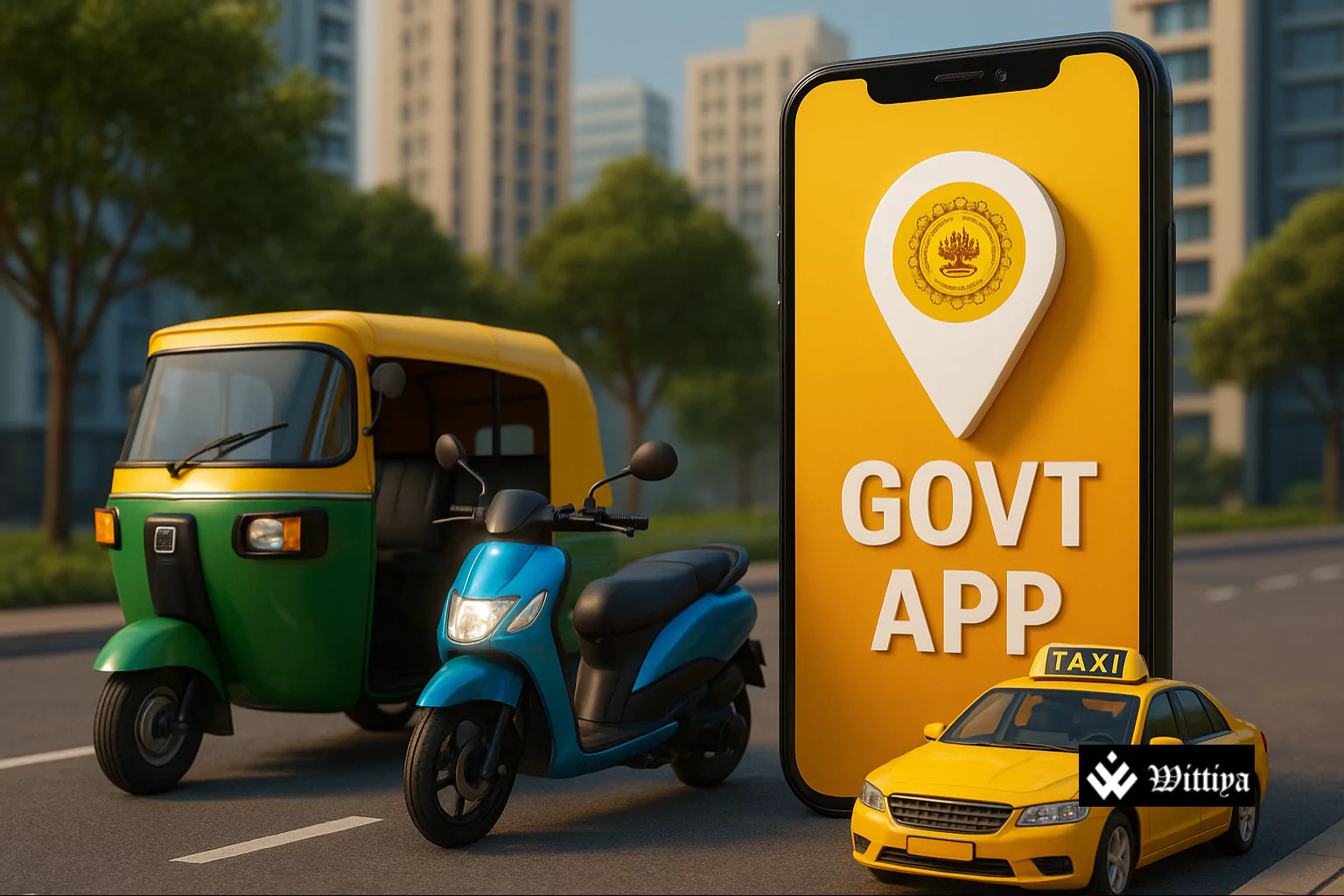
India’s Maharashtra government is set to disrupt the ride-hailing market with its own state-backed taxi app for cabs, rickshaws, and e-bikes, aiming to curb monopolistic practices and empower youth with near-zero interest vehicle loans.
In a major move to restructure India’s urban mobility landscape, the Maharashtra government has announced a state-run ride-hailing platform for taxis, auto-rickshaws, and e-bikes. The initiative seeks to provide an affordable and transparent alternative to dominant private-sector operators, while simultaneously addressing youth unemployment.
Transport Minister Pratap Sarnaik, while unveiling the initiative, emphasized the dual focus of the platform—market correction and employment generation. “This scheme will make lakhs of youth in Maharashtra self-reliant,” he said. The platform, under development in collaboration with the Maharashtra Institute for Transport Technology (MITT) and the MITRA Organisation, is scheduled for final review on August 5 at Mantralaya.
Also Read: Ola Electric’s Q1: Deepening Losses but a Roadmap to Revival
The app—likely to be named Jai Maharashtra, Maha-Ride, Maha-Yatri, or Maha-Go—will be launched post-approval from Chief Minister and Deputy Chief Ministers. Its features will align with Central Government Aggregator Guidelines to ensure transparency, passenger safety, and equitable treatment for drivers.
From a policy and financial standpoint, this initiative marks a pivotal intervention in breaking what experts see as an entrenched duopoly in the digital transport space. “When platform-based monopolies dictate pricing and terms, it impacts both consumers and service providers. A state-led alternative can rebalance the economics,” said a senior economist on urban infrastructure reform.
To support widespread participation, the government has structured a financial empowerment model. Vehicle loans will be extended by Mumbai Bank at a 10% interest rate, and further subsidized by 11% interest relief from state-run bodies such as the Annasaheb Economic Development Corporation, Nomadic Tribes Development Corporation, OBC Development Corporation, and MSDC, effectively rendering the loans interest-free.
Also Read: Government Overhauls Cab Fare Policy for a Modern India
This unique financial design not only lowers entry barriers but could also accelerate asset ownership among youth and informal sector workers. “Low-interest capital tied with stable income opportunity in the gig economy can create scalable self-employment,” noted a financial inclusion expert.
The transport department has already framed the necessary regulations for launching bike taxi services under the platform. However, final approval is awaited.
The government has also tightened regulatory enforcement against unauthorized app-based services. Transport Minister Sarnaik recently instructed the Transport Commissioner to initiate strict legal action against operators functioning outside legal norms.
From a policy innovation perspective, Maharashtra’s app-based model could serve as a national blueprint, balancing public welfare with urban transit needs. By anchoring financial support, legal structure, and digital access in one scheme, the initiative aims to bring systemic change in India’s shared mobility sector.
READ MORE ON