


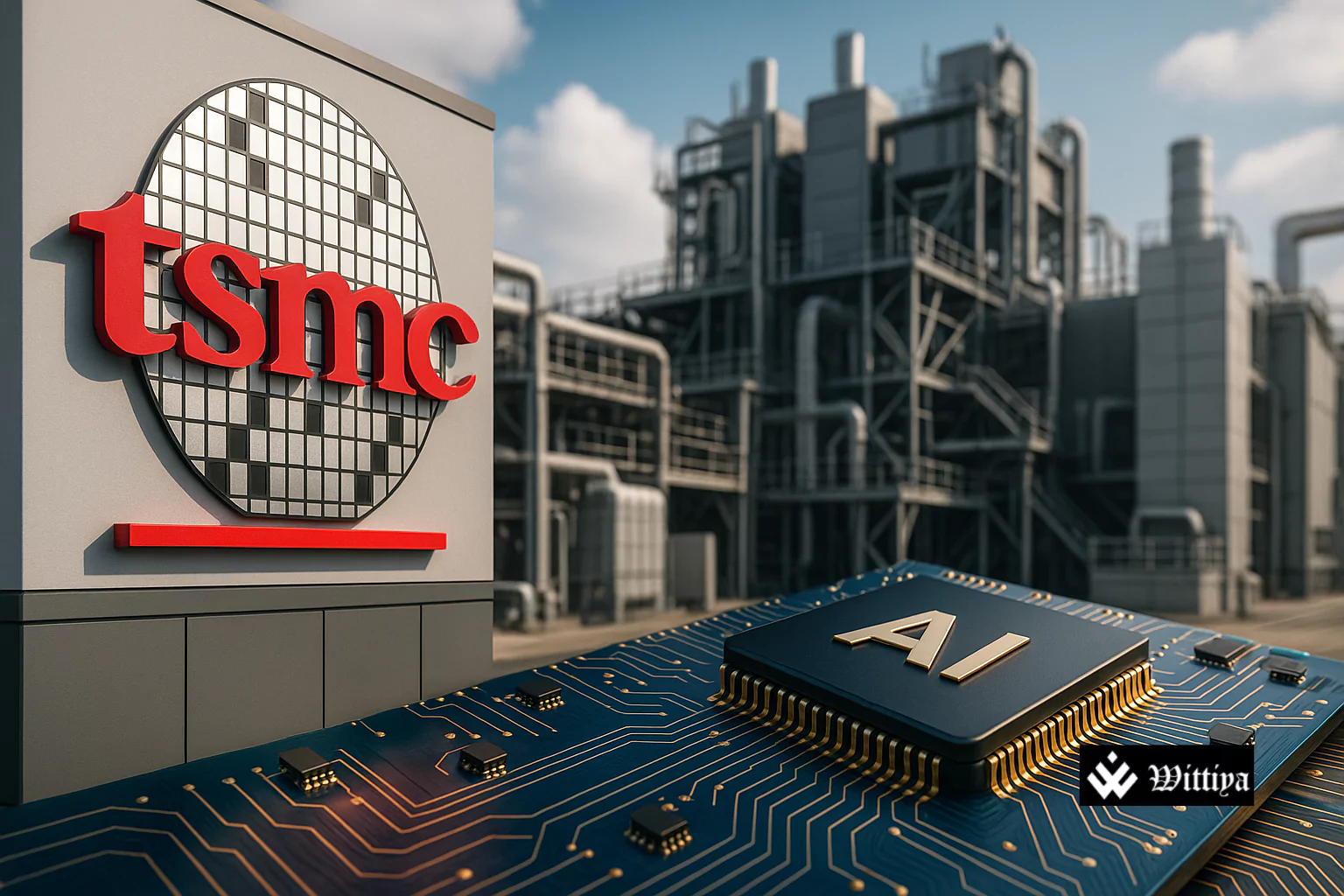
Taiwan-based Taiwan Semiconductor Manufacturing Co. (TSMC) posted a 26% YoY increase in July sales, reaching USD 10.8 billion, driven by growing global demand for AI chips. The company continues to dominate advanced chipmaking, benefiting from AI sector growth and favorable tariff policies tied to its US investments.
Taiwan Semiconductor Manufacturing Co. (TSMC), the world’s largest contract chipmaker, posted a robust 26% year-over-year revenue growth in July 2025, reaching NT$323.2 billion (USD 10.8 billion). This surge reflects continued momentum in the artificial intelligence (AI) sector and signals that the company is well-positioned to meet surging demand for advanced chips.
TSMC, a global leader in producing cutting-edge semiconductors, reported that revenue from January through July was up 38% compared to the same period in 2024, highlighting the strength of demand and strategic alignment with high-growth sectors like AI and high-performance computing.
The July numbers closely align with analyst expectations for third-quarter revenue, which is projected to rise approximately 25%. Even with currency headwinds from a stronger Taiwanese dollar, the company continues to show operational resilience.
“The sales momentum reaffirms TSMC’s leadership in high-performance AI chips,” said a senior industry analyst. “With global AI infrastructure spending accelerating, the company is well-positioned to capitalize on structural demand.”
TSMC’s shares, traded on the Taiwan Stock Exchange, reached a record high this week amid optimism stemming from favorable global trade dynamics and its strategic investments in US-based manufacturing facilities. These developments have further cemented TSMC’s role as a critical player in both the East and West chip ecosystems.
Also Read: India’s Semiconductor Dream Becomes a Global Reality
TSMC’s continued expansion in the US — with multi-billion-dollar investments in fabrication plants — also positions the company favorably under emerging trade policies. Industry observers note that companies with localized production capabilities are more insulated from tariff shocks and may capture greater market share as reshoring gains momentum globally.
While AI remains the key growth engine, TSMC’s legacy businesses, including smartphone chip production, are gradually rebounding. The mobile sector’s moderate recovery further stabilizes the revenue mix and provides additional uplift.
Looking forward, TSMC’s aggressive capacity expansion, strategic geographic diversification, and early-mover advantage in AI-centric semiconductors could support continued double-digit growth throughout the rest of 2025.
READ MORE ON