


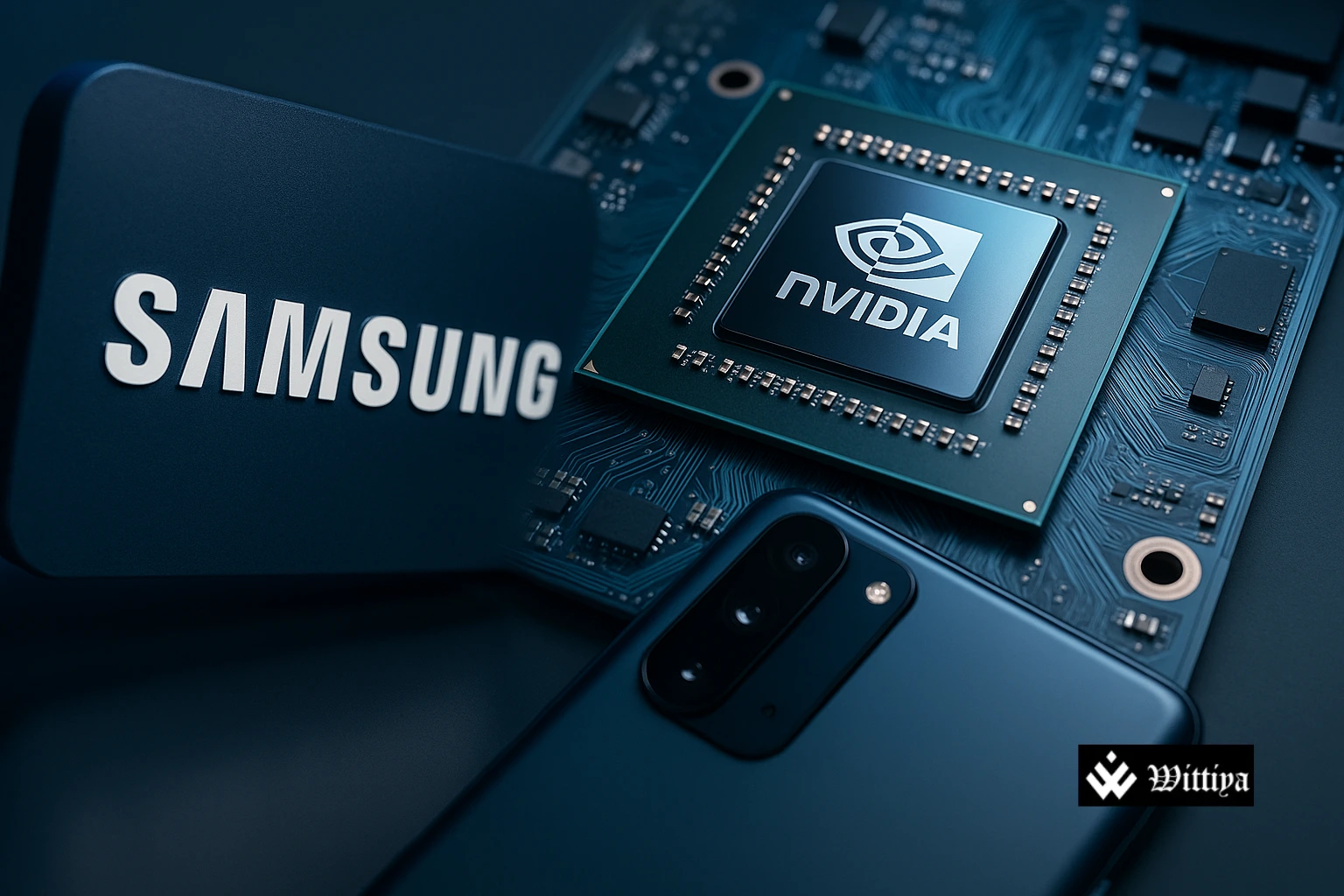
Samsung Electronics, South Korea’s leading tech firm and the world’s largest memory chipmaker, is projected to report a 39% drop in second-quarter operating profit, primarily due to weaker-than-expected AI chip sales and delays in supplying high-bandwidth memory (HBM) chips to Nvidia. Despite maintaining steady smartphone sales, concerns over U.S. trade policies and slower HBM certification continue to cloud the outlook.
Samsung Electronics, the world’s largest memory chip manufacturer based in South Korea, is expected to report a 39% year-on-year drop in its second-quarter operating profit, driven by delays in supplying advanced AI memory chips to U.S. tech leader Nvidia.
According to LSEG SmartEstimate, Samsung’s April-June operating profit is projected to fall to 6.3 trillion won (USD 4.62 billion), marking its lowest in six quarters and continuing a fourth consecutive quarterly decline.
Headquartered in Suwon, Gyeonggi Province, Samsung Electronics is facing intensified competition in the AI chip segment from rivals SK Hynix and Micron Technology, who have capitalized on surging demand for high-bandwidth memory (HBM) chips in AI data centers.
Samsung has, however, started supplying its HBM chips to U.S.-based AMD, which was confirmed in June.
In addition to chip-related struggles, Samsung’s broader operations—including smartphones and consumer electronics—face growing uncertainty due to proposed U.S. tariffs, including a 25% duty on non-U.S.-made smartphones. A key July 9 deadline for reciprocal tariffs and possible revocation of technology export permissions to Samsung’s Chinese facilities also loom.
Despite these headwinds, Samsung’s smartphone sales remained stable during the quarter, as global buyers anticipated U.S. tariff implementation and restocked ahead of time.
Shares of Samsung, South Korea’s tech bellwether, have risen 19% this year, lagging behind the 27.3% climb in the country’s KOSPI Index.
As global AI infrastructure demand intensifies, Samsung’s ability to overcome certification delays and navigate trade uncertainty will be critical to its competitive stance moving forward.