






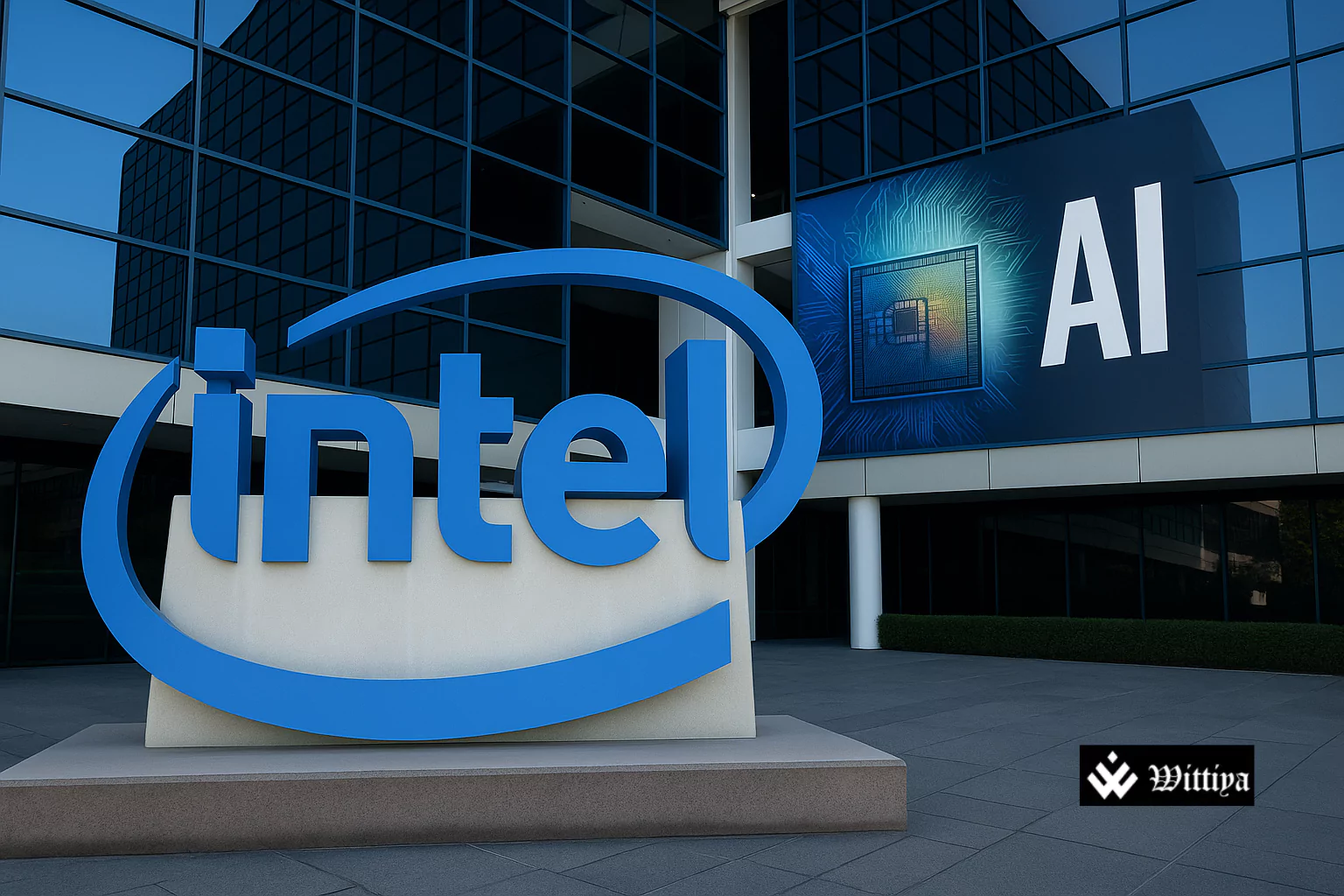
Intel is restructuring with major layoffs, spending cuts, and project cancellations as part of CEO Lip-Bu Tan’s strategy to refocus on AI and core chipmaking strengths.
Intel Corporation, the semiconductor pioneer that shaped the early computing era, is implementing significant workforce reductions and spending cuts as part of a sweeping restructuring plan to regain its footing in the global chip market. The company’s new CEO, Lip-Bu Tan, revealed that Intel will end the year with 75,000 core employees, down from 99,500 at the close of last year. The cuts are a combination of layoffs and natural attrition, part of a broader strategy to streamline operations and increase accountability.
In a memo to employees, Tan emphasized a shift toward operational efficiency, halting certain expansion projects in Europe while consolidating assembly and testing operations. Intel will transfer key activities from Costa Rica to its larger facilities in Vietnam and Malaysia, while Costa Rica will continue to host engineering and corporate teams. In the U.S., construction of its new semiconductor plant in Ohio will proceed at a slower pace as the company focuses on aligning investments with economic returns.
Founded in 1968, Intel has struggled to maintain its market dominance in recent years, particularly with the rapid advancements in artificial intelligence and graphics chips. Tan has made it clear that Intel will intensify its focus on AI-powered solutions, while sharpening its “core product portfolio” to serve next-generation computing needs.
For Q2, Intel reported a net loss of $2.9 billion, or $0.67 per share, compared with a $1.6 billion loss a year ago. Excluding one-time items, adjusted losses were $0.10 per share, slightly better than analysts’ expectations. Revenue remained flat at $12.9 billion, surpassing forecasts of $12 billion.
“Every investment must make economic sense,” Tan stated, underlining a renewed fiscal discipline across the organization. With a market capitalization of $98.7 billion, Intel aims to rebuild its competitive edge by prioritizing AI, strategic chip design, and high-value projects that meet evolving customer demand.
READ MORE ON