





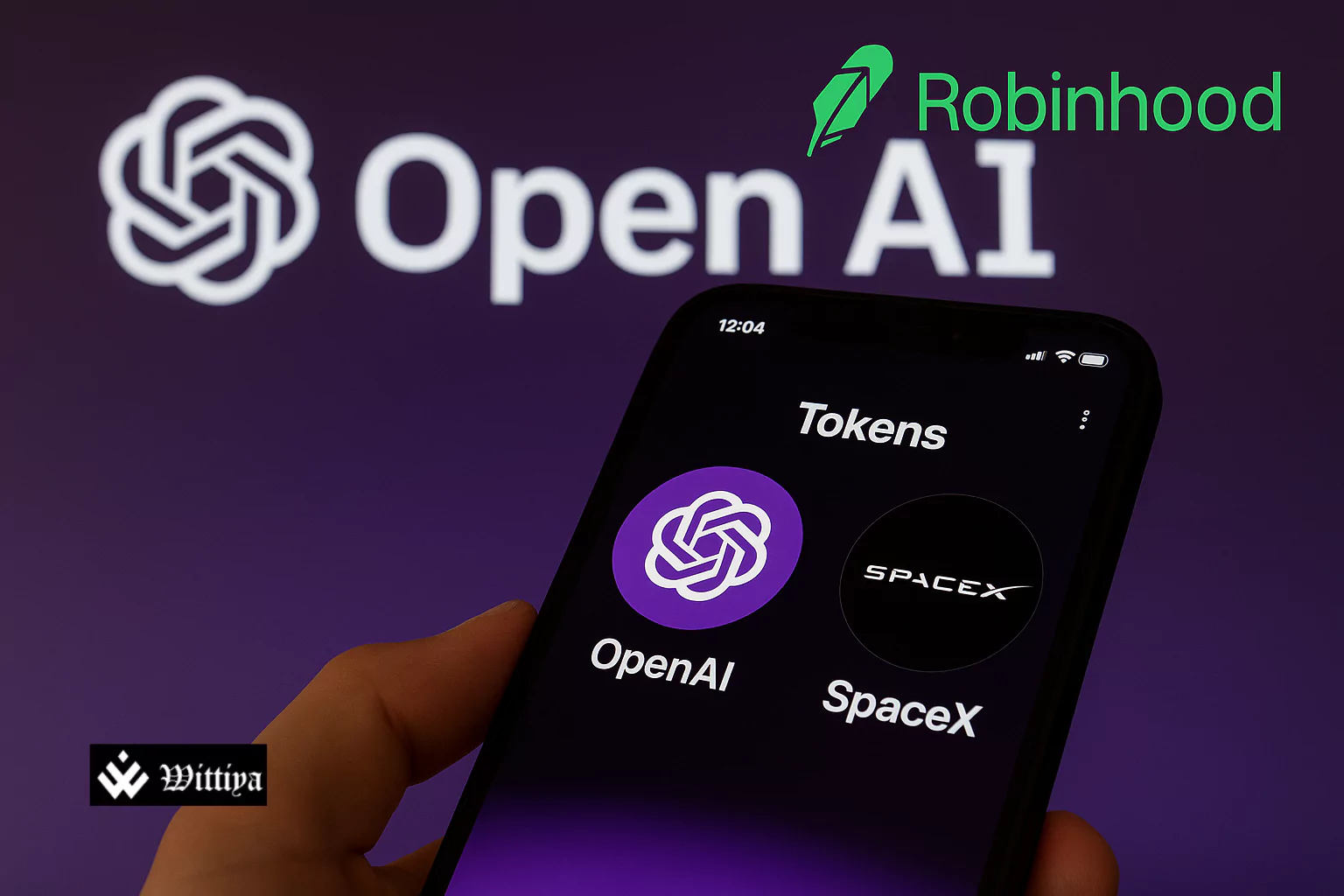
OpenAI has clarified that tokenized shares of its company being offered by Robinhood in Europe are not real equity. The AI company stated it has no partnership with Robinhood and disapproves of any unauthorized representation of its shares. Robinhood, however, maintains that its new offering is designed to give EU retail investors indirect access to private markets through tokenization.
Artificial intelligence research company OpenAI has publicly distanced itself from a new product launched by trading platform Robinhood, which began offering tokenized versions of OpenAI and SpaceX shares to users in the European Union.
“These ‘OpenAI tokens’ are not OpenAI equity,” the San Francisco-based company posted on social media platform X. “We did not partner with Robinhood, were not involved in this, and do not endorse it.” OpenAI added that any transfer of its equity requires official approval and warned users to “please be careful.”
Robinhood made the announcement on July 1, 2025, during a product showcase in Cannes, France, unveiling a new crypto infrastructure play centered around tokenized equities, staking features, and increased access for retail investors. The company’s stock surged past $100 after the reveal, marking a new all-time high.
A spokesperson for Robinhood clarified that these assets provide indirect exposure to private market shares, issued via a special purpose vehicle (SPV) and Robinhood’s own crypto platform. The tokens, distributed under EU’s looser investor restrictions, are not available to U.S. users due to regulatory constraints.
“This is about expanding access,” said Johann Kerbrat, Senior Vice President and General Manager of Crypto at Robinhood. “The goal with tokenization is to let anyone participate in this economy.”
Robinhood also offered €5 worth of OpenAI and SpaceX tokens to eligible users in the EU who registered by July 7, 2025. These tokens do not reflect direct ownership but represent synthetic exposure to equity-like performance.
The move underscores growing tension between crypto platforms attempting to democratize access to traditionally private financial markets and the companies whose names and equity structures are being represented on-chain without formal involvement or consent.
OpenAI, a leading AI research organization headquartered in California, reiterated that it has no role in the issuance of these digital assets and considers such offers misleading to investors.
As more firms experiment with blockchain-enabled investment vehicles, questions around regulation, consent, and consumer protection continue to take center stage in both the U.S. and EU financial systems.