


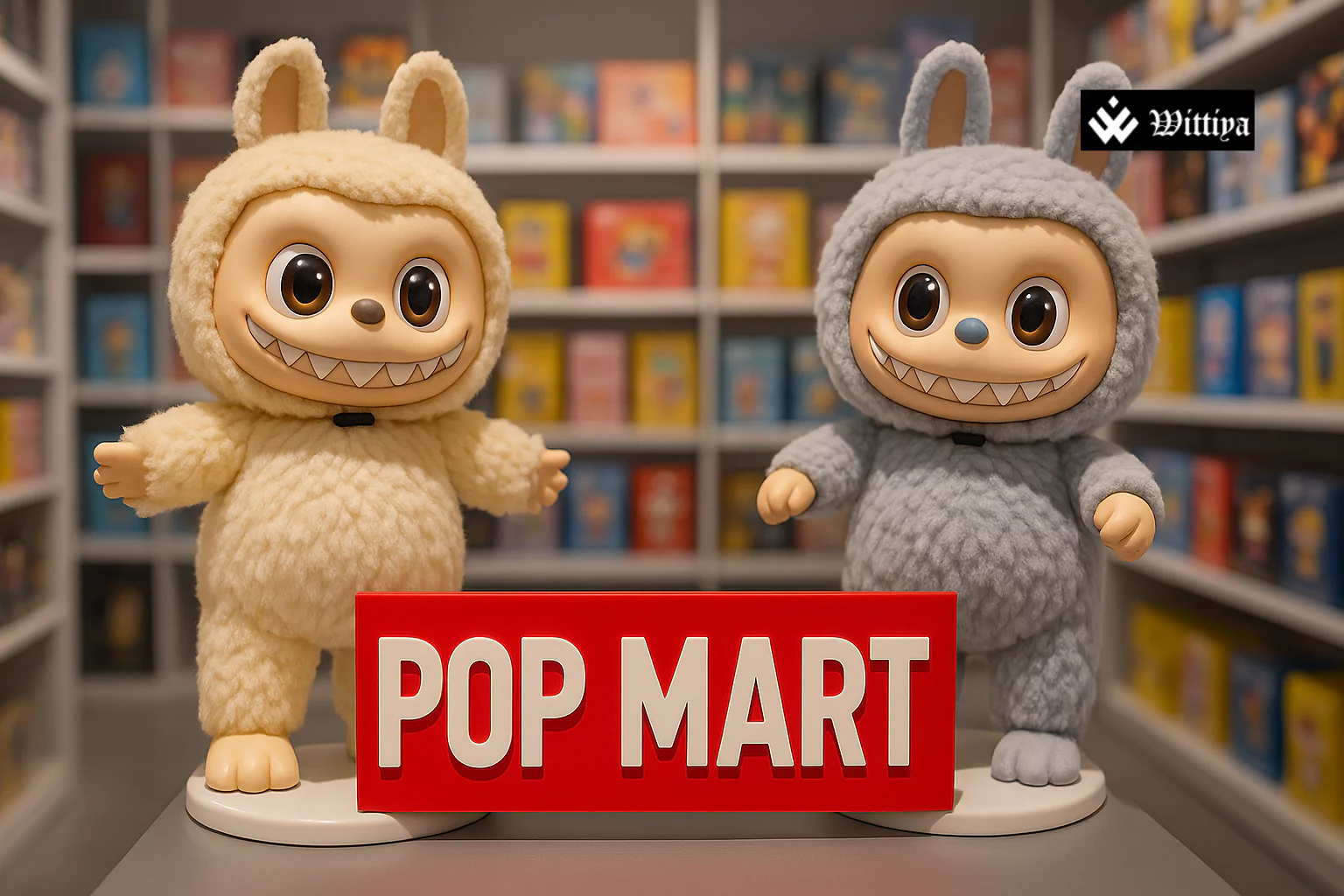
Pop Mart, the Beijing-based toymaker known for its Labubu blind-box figures, saw a sharp decline in its share value after China’s state media criticized the “blind box” trend and Morgan Stanley removed the company from its China focus list. The scrutiny follows growing concerns about youth spending and copycat imports.
Pop Mart International Group, the Chinese toy company headquartered in Beijing and known globally for its collectible Labubu blind-box figures, saw its shares fall sharply this week as scrutiny over its core business model intensifies.
On June 20, Pop Mart’s Hong Kong-listed shares dropped over 5%, following a 5.3% slump in the previous session. The downturn came after People’s Daily, the official newspaper of China’s ruling Communist Party, published an article criticizing the “blind box” trend — a concept where consumers purchase unmarked packages in hopes of getting rare figurines. Although Pop Mart wasn’t directly named, the piece advocated for more stringent rules around such sales, especially targeting youth consumption habits.
Adding to investor concerns, U.S. financial services giant Morgan Stanley removed Pop Mart from its China and Hong Kong focus list. This move contributed to a week-long decline exceeding 13%, ending what had been a positive run for the stock since early May.
Morgan Stanley had previously raised its price target for Pop Mart to HKD 302 ($38.47) on June 10, citing strong growth potential. However, a note later stated that the firm believed Pop Mart’s near-term outperformance was unlikely to continue due to its “lofty valuation” and uncertain long-term outlook.
Despite the pressure, Pop Mart remains a consumer phenomenon. The brand’s Labubu series — featuring a mischievous elf-like character — has captivated adult and youth audiences alike, gaining international coverage from The New York Times and New York Magazine. A recent auction in Beijing saw a 4-foot Labubu sell for nearly $170,000, underlining the brand’s cult status. Affordable versions have since sold out across mainland China.
Pop Mart has expanded aggressively abroad, launching both retail stores and e-commerce platforms in markets like the U.S. and U.K. In a major milestone, the company’s 2024 overseas sales hit 5.1 billion yuan (USD 710 million), surpassing its total sales from 2021. Sales within mainland China reached 7.97 billion yuan this year.
China’s customs agency has also stepped in, highlighting efforts to stop counterfeit Labubu products from crossing borders. Meanwhile, concerns about excessive youth spending, regulation, and market speculation continue to challenge the toy company’s high-growth image.
As Pop Mart navigates both regulatory scrutiny and market expectations, investors remain cautious — watching closely to see whether the Labubu craze can sustain momentum amid increasing oversight.