


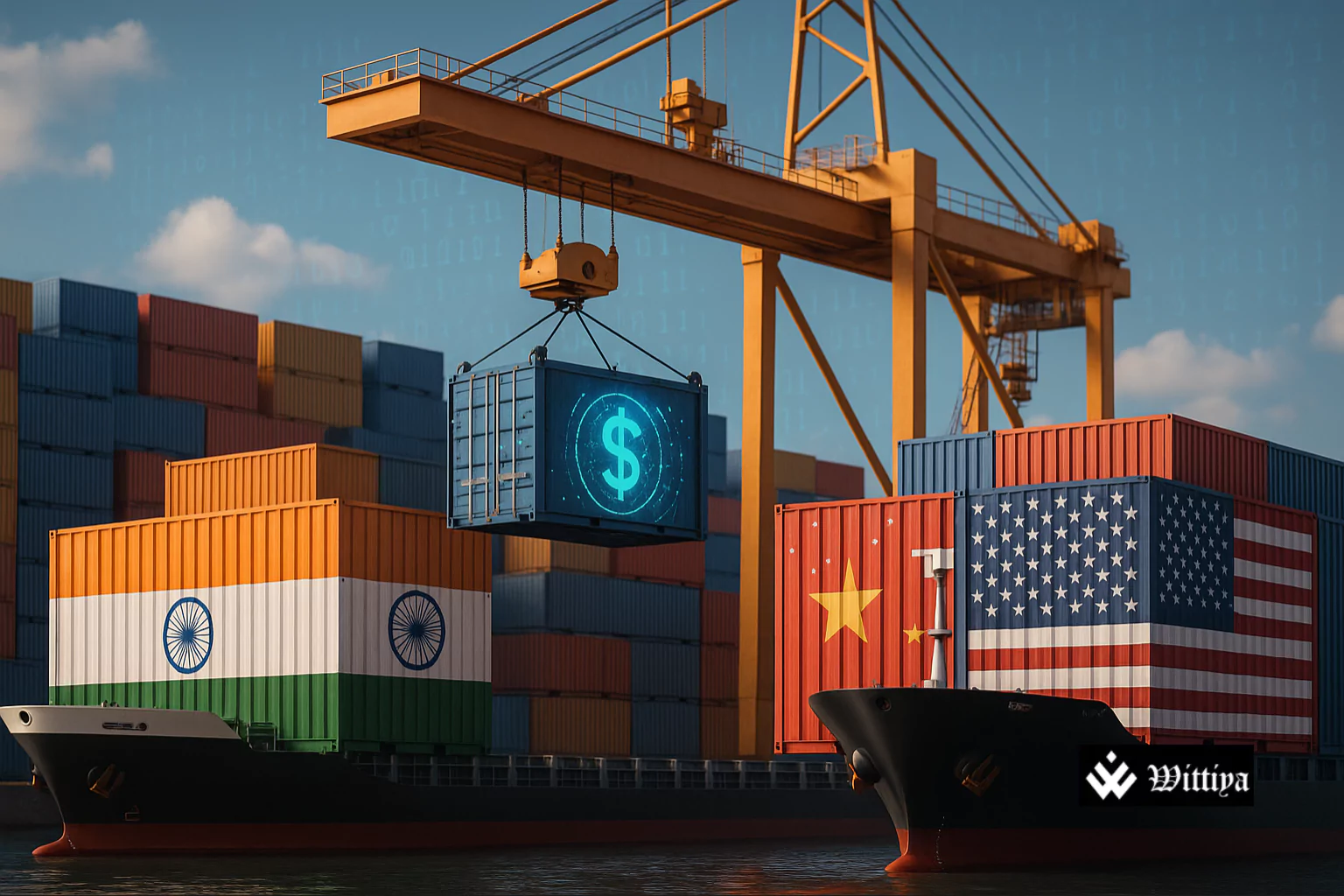
India’s trade surplus with the United States is expected to decline as upcoming bilateral trade agreements are likely to increase India’s imports of key sectors including energy, agriculture, and defense. This shift, projected by leading credit rating agency CRISIL, may take effect by September 2025, aligning with ongoing negotiations to enhance bilateral economic ties.
India’s trade surplus with the United States is expected to narrow in the coming months, driven by the anticipated finalization of bilateral trade agreements, according to a report released by CRISIL, a leading Indian credit rating agency based in Maharashtra.
These bilateral trade agreements, scheduled for completion by September 2025, are poised to reshape India’s current trade dynamics with the United States. CRISIL’s analysis suggests that India’s import volumes in key areas such as energy, agriculture, and defense are set to rise, potentially offsetting the country’s current goods surplus with the US.
The United States remains India’s largest export destination, with robust outbound trade in sectors including pharmaceuticals, engineering goods, and services. However, according to CRISIL, there is still considerable room to expand exports in categories like smartphones, machinery, and textiles — areas where India holds untapped competitive potential.
The report further indicates that increasing Indian imports in energy and defense align with the broader geopolitical partnership between the two countries, where strategic cooperation has deepened in recent years.
The upcoming trade deals reflect growing efforts from both sides to strengthen economic ties. The Indian government is currently negotiating with the US to conclude a balanced trade agreement that offers mutual benefits across sectors.
India’s trade surplus with the US reached over USD 35 billion in FY 2023-24, but the agreements currently under negotiation could soften that figure by increasing imports in high-value sectors.
The expected outcome is a more balanced trade relationship, with India leveraging the deal to gain greater access for its exports, while allowing more critical imports from the United States to meet domestic demand.
While no official confirmation on the specifics of the agreement has been released, the reduction in trade surplus is anticipated as a natural consequence of the evolving partnership.
These developments come amid heightened global trade realignments and an emphasis on securing critical supply chains.