


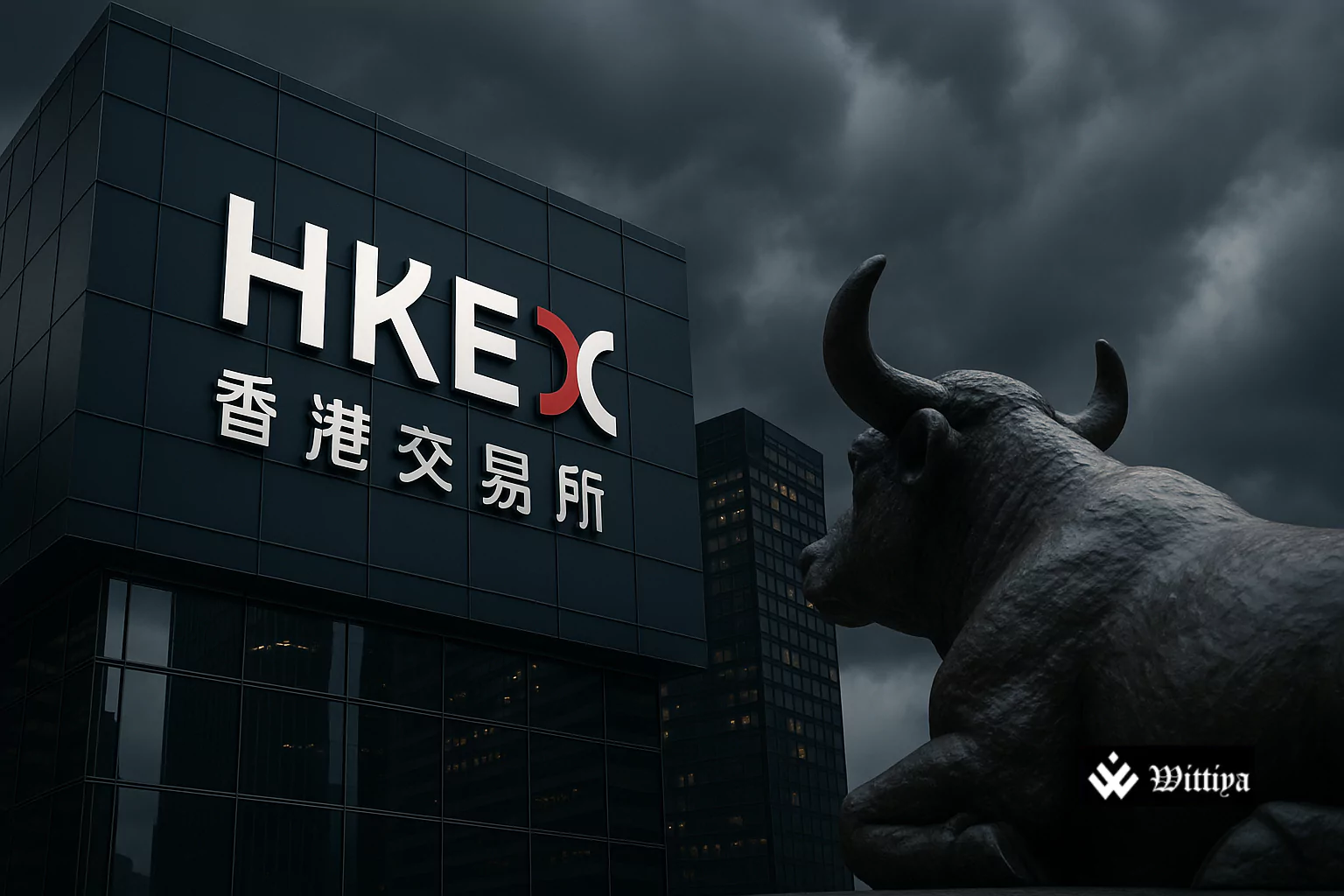
Hong Kong stocks edged down as concerns over tightening liquidity and geopolitical tensions impacted investor sentiment. While China’s Shanghai Composite gained slightly, Hong Kong’s Hang Seng Index slipped marginally. Analysts highlighted weakening liquidity conditions and cautious investor positioning amid uncertainties over U.S.-Iran tensions and trade policies.
The Hong Kong Stock Exchange witnessed a marginal decline on June 23 as concerns about funding conditions and geopolitical instability impacted investor sentiment. The Hang Seng Index slipped 0.1% while China’s CSI300 Index edged down 0.2%, even as the Shanghai Composite Index rose 0.2% by midday.
The subdued performance came amid worries of tighter liquidity. The Hong Kong dollar fell to 7.85 per U.S. dollar, hitting the lower end of its trading band for the second time since May 2023. This move may trigger intervention by the Hong Kong Monetary Authority (HKMA), potentially draining liquidity from the banking system to defend the currency peg.
Analysts from China International Capital Corporation (CICC), including strategist Kevin Liu, warned that interbank rates—particularly the Hong Kong Interbank Offered Rate (HIBOR)—have likely bottomed out. The overnight HIBOR hovered near record lows at 0.01777%, but rising risk sentiment suggests it may tighten going forward.
“Short-term liquidity tightening, uncertainties surrounding tariff negotiations, weakening economic data, and delays in policy support could all contribute to increased market volatility,” Liu noted.
Geopolitical tensions also loomed over global markets. Investor sentiment was restrained due to fears of Iranian retaliation following recent U.S. military strikes on its nuclear facilities, which could escalate into a broader conflict affecting energy prices and global trade.
Despite overall market caution, select sectors in China showed resilience. The China Coal Index rose by 1.3% on supply concerns. Maritime and port stocks rallied as well, with Nanjing Port climbing up to 10%.
Tech stocks in Hong Kong also showed strength. Semiconductor manufacturer Hua Hong Semiconductor surged 7% after reports emerged that the U.S. government may revoke export waivers, potentially restricting access to American technology by Chinese chipmakers. Hua Hong Semiconductor is listed in both Hong Kong and Shanghai.
As regional and global investors await further clarity on monetary policy and geopolitical developments, volatility is expected to persist in the near term.