


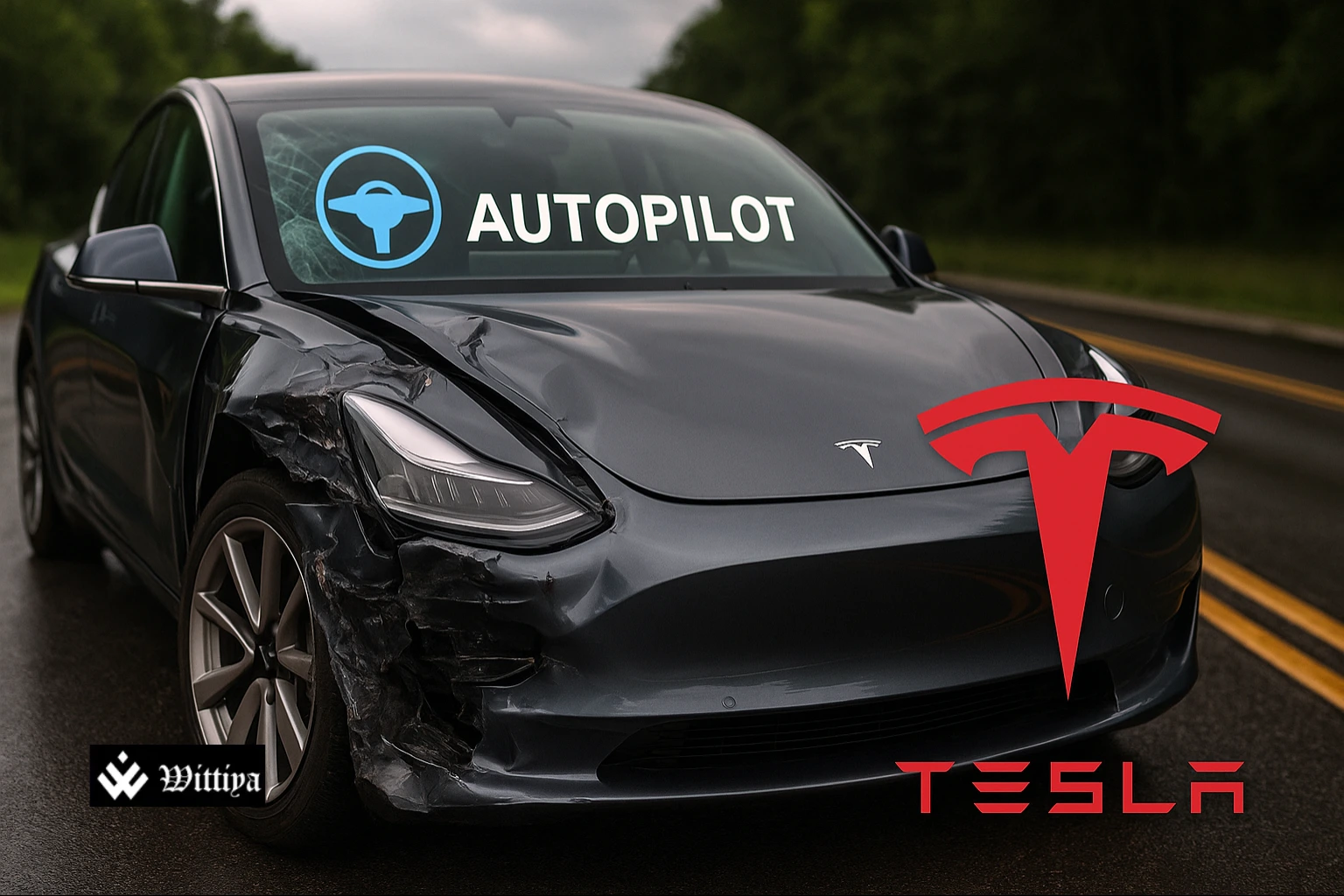
A U.S. federal jury has awarded $329 million in damages against Tesla, Inc. following a fatal crash involving its Autopilot feature, marking a pivotal legal setback for the electric vehicle manufacturer. The ruling could set a precedent for future lawsuits and raises fresh questions about the accountability of advanced driver-assistance systems.
In a landmark legal ruling, Tesla, Inc. has been ordered by a federal jury in Miami to pay $329 million in damages related to a 2019 crash involving its Autopilot technology. This decision represents one of the largest legal verdicts ever issued against the electric vehicle manufacturer and opens the door for further litigation concerning its semi-autonomous driving systems.
The case centered on a deadly incident in Key Largo, Florida, where a Tesla Model 3, operating under its Autopilot mode, fatally struck 22-year-old Naibel Benavides Leon and seriously injured her companion. While the driver admitted to being distracted at the time, the jury found that Tesla’s driver-assist system also failed to detect the hazard, contributing to the tragedy.
This dual-liability judgment—holding both human and machine accountable—marks a legal milestone. It affirms that manufacturers of autonomous or semi-autonomous systems cannot evade responsibility by placing full accountability on human drivers, especially when the systems are marketed with branding such as “Autopilot.”
Also Read: Tesla and Samsung Sign $16.5 Billion Semiconductor Deal for Next-Gen AI Chips
Legal and Financial Ramifications
The financial impact of the ruling could be significant for Tesla, as the company faces increased legal exposure from similar incidents. Experts note that this verdict could embolden more plaintiffs to bring forward cases where Autopilot or Full Self-Driving systems are alleged to have malfunctioned. It may also influence how future jury instructions and legal standards are crafted for autonomous technologies.
Tesla’s historical approach of resolving similar cases quietly or avoiding trial has allowed it to operate without judicial scrutiny. However, this case broke that pattern and, in doing so, provided a rare public view into Tesla’s internal handling of crash data and evidence. Notably, the court heard allegations that Tesla withheld or failed to disclose video and telemetry data crucial to understanding the crash—claims that risk damaging investor and regulatory trust in the company’s transparency practices.
Broader Industry Impact
From a regulatory standpoint, the ruling adds momentum to ongoing debates over how much oversight is needed for driver-assist systems, especially as Tesla prepares to expand its driverless capabilities. Autonomous vehicle developers may now face heightened pressure to ensure the robustness, transparency, and auditability of their AI systems.
Tesla has consistently positioned itself at the forefront of innovation in autonomous mobility. However, as it advances plans to roll out a driverless ride-hailing service, the implications of this courtroom defeat could reverberate through investor confidence, consumer perception, and future insurance liabilities.
Financial analysts are likely to reassess the company’s risk exposure in light of this precedent, especially as competitors and regulators begin to scrutinize similar technologies under new legal standards. Moreover, potential class-action lawsuits or increased regulatory intervention could become material factors in Tesla’s forward earnings outlook.
As the industry accelerates toward autonomy, the Tesla verdict may represent more than a legal setback—it could redefine accountability in the era of intelligent machines.
READ MORE ON